
Quick Answer
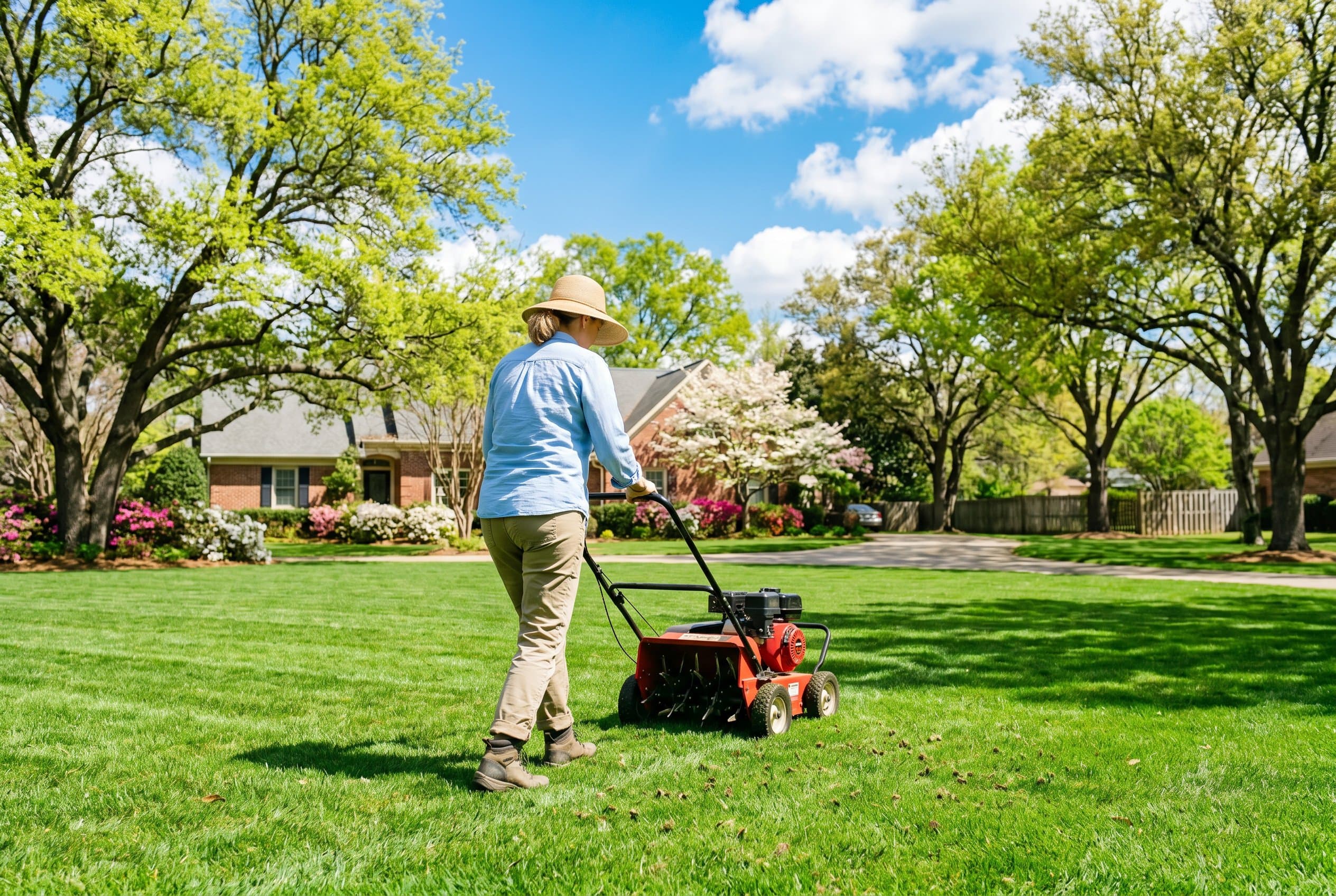
The best time to aerate your lawn in Texas is from mid-May through June when warm-season grasses like Bermudagrass, St. Augustinegrass, and Zoysiagrass are actively growing[1]. This timing allows your grass to quickly recover and fill in aerated holes before the intense summer heat arrives, taking advantage of Texas's optimal growing season for warm-season varieties[2].
Key Takeaways
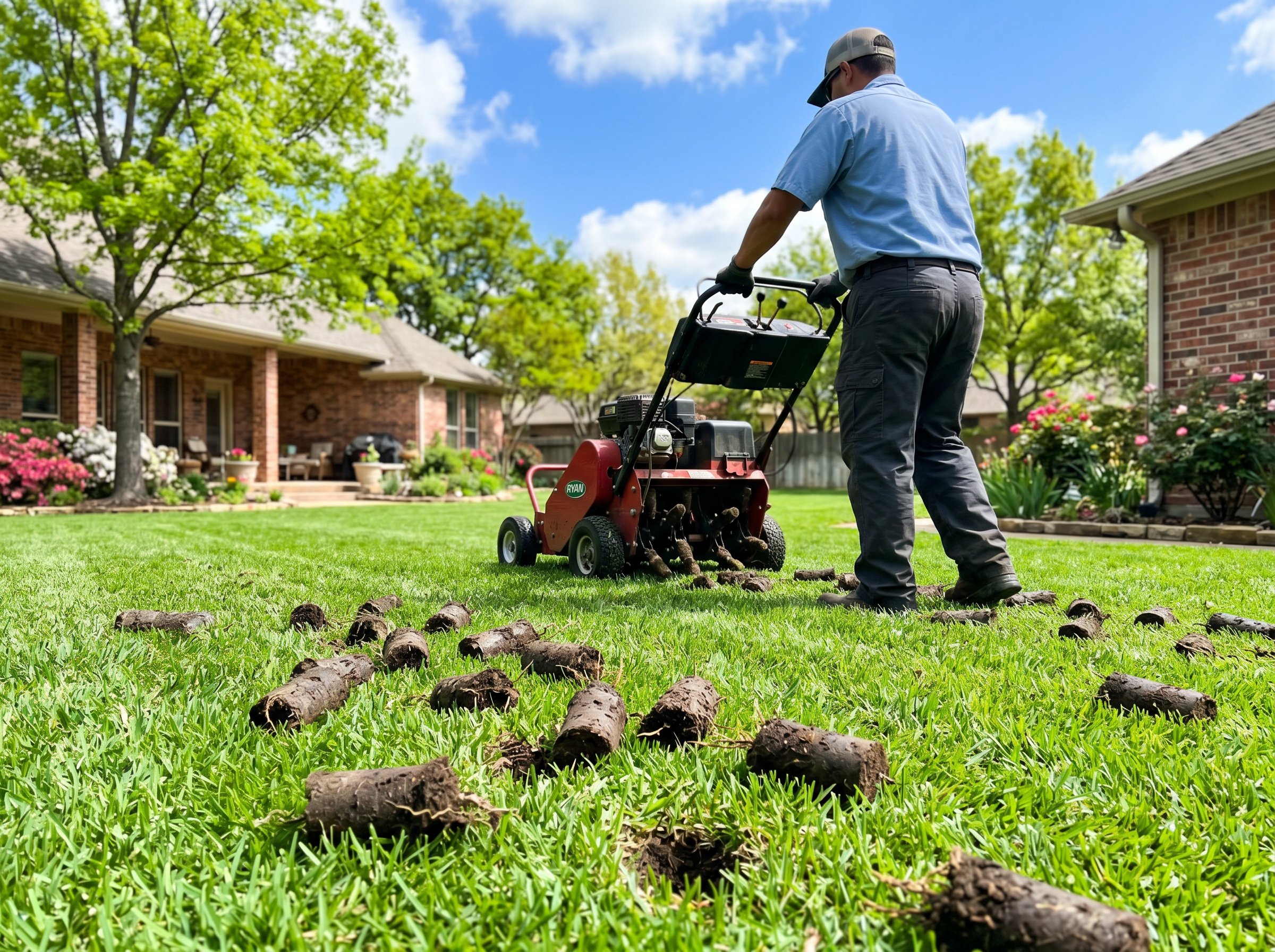
- Aerate Texas lawns during May-June when warm-season grasses are in peak growth phase
- Wait until soil temperatures consistently reach 65-70°F for optimal recovery
- Avoid aerating during summer stress periods (July-August) or winter dormancy
- Focus on compacted areas from Texas clay soil and high foot traffic
- Plan aeration before your main fertilization program for maximum nutrient uptake
Texas homeowners face unique lawn care challenges, from the state's notorious clay soil that compacts easily to extreme temperature swings across USDA hardiness zones 6b-9a. With warm-season grasses dominating Texas landscapes and summer temperatures regularly hitting 95°F, timing your aeration correctly is crucial for maintaining a healthy lawn that can withstand the Lone Star State's demanding climate conditions.
What Is the Best Month to Aerate Lawns in Texas?
May through early June represents the sweet spot for lawn aeration in Texas[3]. During this window, your Bermudagrass, St. Augustinegrass, and Zoysiagrass are emerging from winter dormancy and entering their most vigorous growth phase. Soil temperatures have warmed to the optimal 65-70°F range, and you've likely completed your first few mowings of the season.
The Texas A&M AgriLife Extension recommends this timing because warm-season grasses need active growth to quickly heal the holes created by aeration[1]. Aerating too early in March or April, when grass is just breaking dormancy, can stress the turf. Waiting too late into summer subjects your lawn to recovery during the most stressful period of the year.
For North Texas (zones 6b-7a), aim for late May to early June. Central and South Texas (zones 8a-9a) can aerate as early as mid-May due to warmer soil temperatures and longer growing seasons.
How Do I Know When My Texas Lawn Needs Aeration?
Texas's clay-heavy soils are notorious for compaction, making aeration more critical than in many other states[4]. Perform the screwdriver test: if you can't easily push a screwdriver 6 inches into your soil after watering, compaction is limiting root growth and water infiltration.
Look for these specific signs in Texas lawns:
- Water runoff: Clay soil sheds water instead of absorbing it, especially common in Central Texas
- Thinning grass: Compacted areas struggle to support dense Bermuda or St. Augustine growth
- Pest pressure: Compacted lawns are more susceptible to chinch bugs and white grubs, common Texas lawn pests[5]
- Poor fertilizer response: Nutrients can't penetrate compacted soil layers
High-traffic areas like pathways to pools (essential in Texas heat) or play areas typically need annual aeration. Established lawns with minimal foot traffic may only require aeration every 2-3 years.
Should I Aerate Before or After Fertilizing in Texas?
Aerate first, then fertilize for maximum benefit in Texas lawns[6]. The holes created by core aeration provide direct channels for fertilizer to reach grass roots, particularly important in Texas clay soils where nutrients often remain on the surface.
Follow this sequence for best results:
- Aerate in late May: When grass is actively growing
- Apply fertilizer within 1-2 weeks: Target your main spring feeding
- Water deeply: Help nutrients penetrate through aeration holes
- Continue summer fertilization: Monthly through September for warm-season grasses
This timing aligns with Texas A&M's recommended fertilization window of April through September for warm-season grasses[1]. The aeration holes also improve water penetration, crucial during Texas's hot summers when efficient irrigation becomes critical for lawn survival.
Avoid the temptation to aerate and overseed simultaneously in Texas. Unlike cool-season regions, Texas's warm-season grasses don't typically require overseeding. If you're adding winter ryegrass for color, wait until October for overseeding when temperatures cool.
What Should I Avoid When Aerating in Texas?
Never aerate during Texas's summer stress period from July through August[2]. Even though warm-season grasses are active, the combination of extreme heat, potential drought conditions, and increased pest pressure makes recovery difficult.
Additional timing mistakes to avoid:
- Winter aeration: Warm-season grasses are dormant December through February
- Wet soil conditions: Clay becomes sticky and smears rather than creating clean holes
- Before pre-emergent application: Aeration can disrupt crabgrass prevention treatments applied in late February
- During disease pressure: Brown patch and take-all root rot are common in Texas; avoid stressing affected areas
If you miss the May-June window, wait until early fall (September) for a second opportunity. However, spring remains ideal because it gives your lawn the entire growing season to benefit from improved soil conditions.
Conclusion
Success with lawn aeration in Texas comes down to timing and understanding your grass type. Aerate your Bermudagrass, St. Augustinegrass, or Zoysiagrass lawn during the May-June window when these warm-season varieties are primed for rapid recovery. This timing works with Texas's climate rather than against it, setting your lawn up for success during the challenging summer months ahead.
Start planning your aeration now by checking soil compaction in high-traffic areas and scheduling the work for late spring. Your Texas lawn will reward you with improved drought tolerance, better nutrient uptake, and the thick, healthy growth that can stand up to everything from chinch bugs to summer heat waves.