

Quick Answer
The best time to plant grass seed in Texas is late spring through early summer (April to June) for warm-season grasses like Bermudagrass, St. Augustinegrass, and Zoysiagrass[1]. For overseeding with cool-season ryegrass, plant in October for winter color.
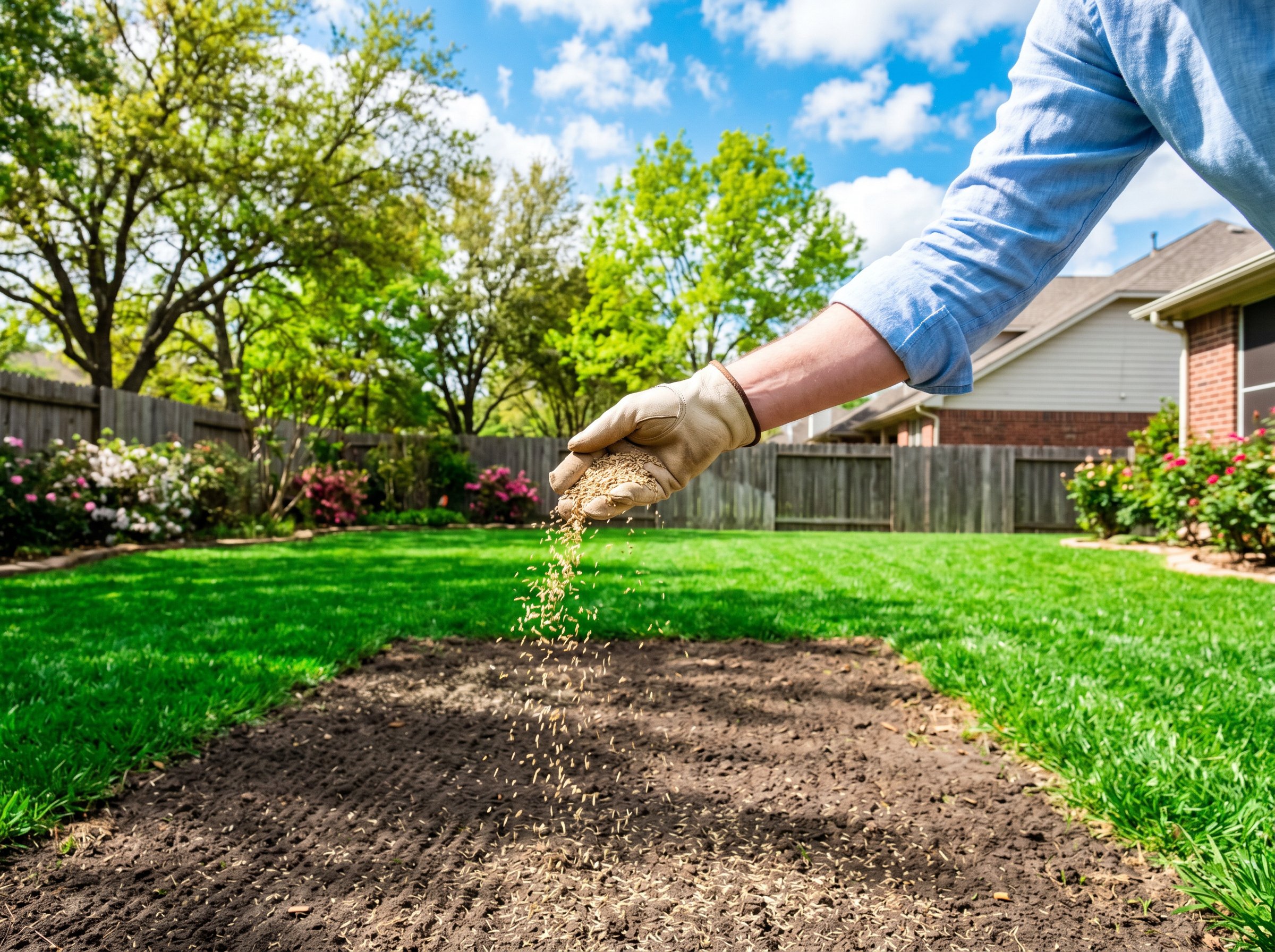
Key Takeaways
- Plant warm-season grass seeds from April to June when soil temperatures consistently reach 65-70°F
- Bermudagrass and Buffalograss are the most successful from seed in Texas
- Northern Texas (zones 6b-7a) can plant slightly earlier than southern regions
- October is ideal for overseeding dormant warm-season lawns with ryegrass
- Avoid planting during Texas's extreme summer heat (July-August) or winter dormancy period
Introduction
Texas's diverse climate zones and warm-season grass dominance create unique timing considerations for planting grass seed. Unlike cooler climates where spring and fall are equally viable, Texas homeowners must work around intense summer heat, varying humidity levels from the humid east to arid west, and the growth patterns of warm-season grasses that thrive in the state's climate[2].
What's the Best Time to Plant Warm-Season Grass Seed in Texas?
Warm-season grasses dominate Texas lawns for good reason – they thrive in the state's hot summers and tolerate the mild winters across USDA zones 6b through 9a. The optimal planting window runs from April through June, with specific timing depending on your location within Texas[1].
Northern Texas (Zones 6b-7a): Start planting in mid-April when soil temperatures consistently reach 65°F. This includes the Dallas-Fort Worth area and Panhandle regions.
Central Texas (Zone 8a): Begin planting in early to mid-April. The Austin and San Antonio areas typically have suitable soil temperatures by this time.
Southern Texas (Zones 8b-9a): Plant as early as late March to early April in the Houston area and Rio Grande Valley, where warmer temperatures arrive sooner.
Bermudagrass and Buffalograss establish most successfully from seed, while St. Augustinegrass and Zoysiagrass are typically planted from sod or plugs due to limited viable seed availability[3].
How Do I Prepare My Texas Lawn for Grass Seed Planting?
Proper preparation is crucial for seed success in Texas's challenging climate conditions. Start by conducting a soil test through your local Texas A&M AgriLife Extension office to determine pH and nutrient needs[4].
Site Preparation Steps:
- Remove existing weeds and dead grass
- Till or rake the soil to create a level seedbed
- Apply pre-emergent herbicide in late February to early March to prevent crabgrass and other summer weeds
- Ensure adequate irrigation is available, as Texas's variable rainfall (averaging 28 inches annually) may not provide consistent moisture
Soil Considerations: Texas soils vary dramatically from clay-heavy areas around Dallas-Fort Worth to sandy soils in East Texas. Amend clay soils with compost to improve drainage, while sandy soils benefit from organic matter to retain moisture during hot summers[5].
Timing your soil preparation to avoid common Texas pests like white grubs and chinch bugs is essential. These pests are most active during warm months, so early season preparation helps establish grass before peak pest pressure.
When Should I Overseed My Texas Lawn?
Overseeding serves a different purpose in Texas than in cooler climates. Since warm-season grasses go dormant and turn brown from December through February, many Texas homeowners overseed with annual ryegrass in October for winter color[1].
October Overseeding Process:
- Mow existing grass shorter than normal
- Rake to remove thatch and create seed-to-soil contact
- Apply ryegrass seed at recommended rates
- Water daily until germination occurs
- Continue regular watering through winter months
This temporary cool-season grass will die back naturally when temperatures rise in late spring, allowing your permanent warm-season grass to resume active growth. Overseeding works particularly well in Central and Northern Texas, while Southern Texas's milder winters may not provide enough cool weather for optimal ryegrass performance.
What Grass Seeds Work Best in Different Parts of Texas?
Bermudagrass: The most versatile choice across all Texas zones. Common Bermudagrass establishes quickly from seed and tolerates heat, drought, and foot traffic. It's particularly suitable for Texas's variable climate conditions[6].
Buffalograss: Ideal for West and Central Texas where rainfall is limited. This native grass requires less water than other options and tolerates the arid conditions common in western regions.
Tall Fescue: Limited to Northern Texas (zones 6b-7a) where cooler temperatures and higher rainfall support this cool-season grass. Plant in early fall for best establishment.
Seed Selection Tips: Choose certified seed varieties developed for Texas conditions. Texas A&M AgriLife Extension maintains lists of recommended cultivars that perform well in the state's diverse microclimates.
Conclusion
Successful grass seed establishment in Texas requires matching your planting timing to both your specific climate zone and chosen grass type. Plant warm-season seeds from April through June when soil temperatures support germination, and consider October overseeding for winter color. Prepare your soil properly, account for Texas's pest and disease pressures, and ensure adequate irrigation during establishment. For specific variety recommendations and soil testing, contact your local Texas A&M AgriLife Extension office for guidance tailored to your exact location.