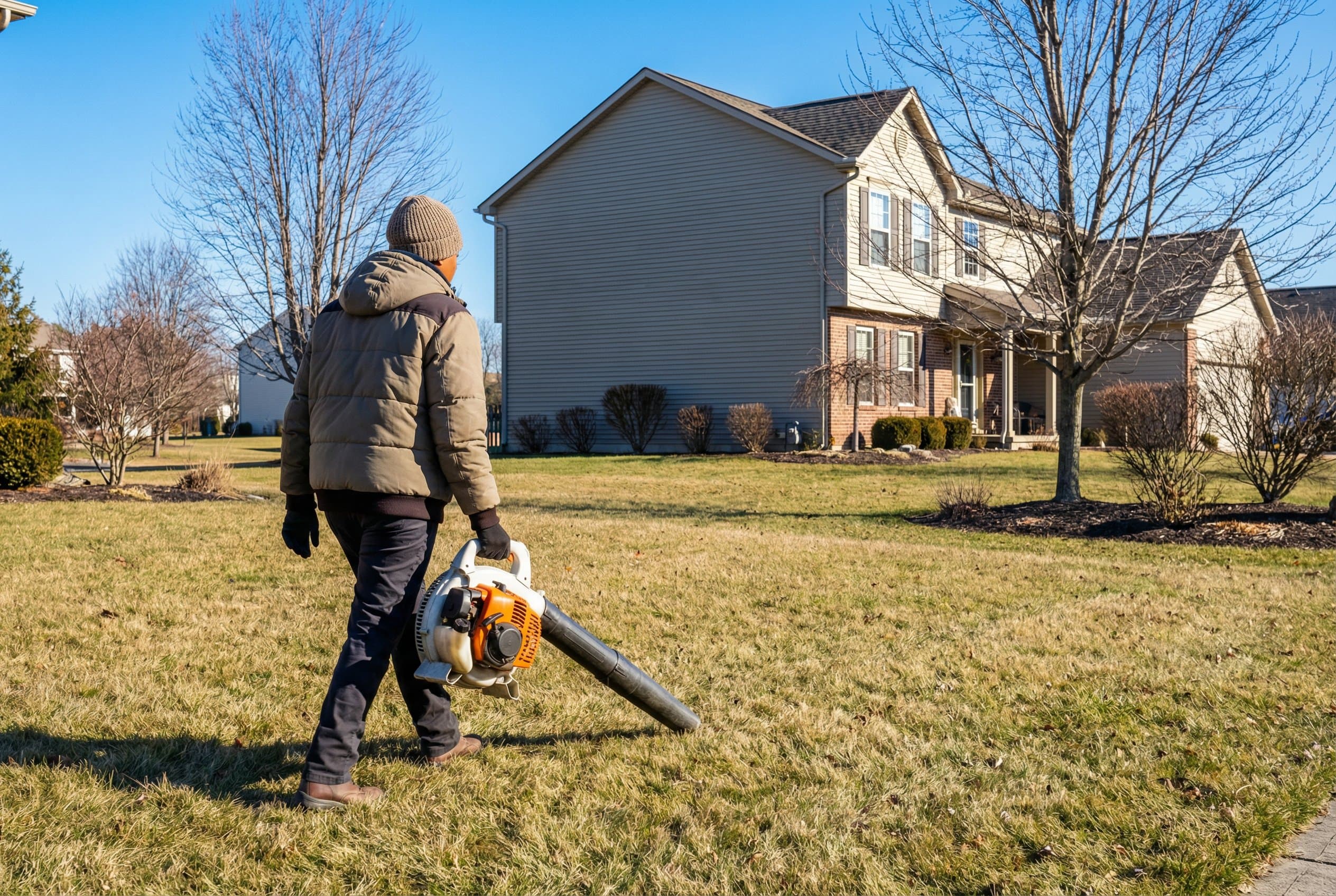

Quick Answer: Spring lawn care in Ohio should begin in April when soil temperatures reach 50°F, starting with pre-emergent herbicide application when forsythia blooms, followed by first mowing and fertilization for Kentucky bluegrass and tall fescue lawns. Ohio's USDA zones 5b-6b require specific timing to combat crabgrass and prepare cool-season grasses for summer stress.
Key Takeaways
- Apply pre-emergent herbicide in April when forsythia blooms to prevent crabgrass
- Begin first mowing in April when grass reaches 3-4 inches tall
- Fertilize cool-season grasses (Kentucky bluegrass, tall fescue) in late April to May
- Address winter damage from snow mold and prepare for summer humidity stress
- Focus on soil health after Ohio's harsh winter conditions in zones 5b-6b
Successful spring lawn care in Ohio marks the critical awakening period for the state's predominantly cool-season grass lawns. After enduring average winter lows of 20°F and potential lake-effect snow near Lake Erie, your Kentucky bluegrass, tall fescue, or perennial ryegrass lawn needs strategic care to thrive through Ohio's warm, humid summers[1]. Northern Ohio homeowners should plan their spring lawn care activities approximately 1-2 weeks later than those in southern regions of the state due to temperature differences.
When Should I Start Spring Lawn Care in Ohio?
The timing of spring lawn care in Ohio hinges on soil temperature rather than calendar dates. Begin active lawn care when soil temperatures consistently reach 50°F, typically occurring in mid-April across zones 5b-6b[2]. This coincides with forsythia blooming, your natural indicator for pre-emergent herbicide application.
Start with these essential early spring tasks:
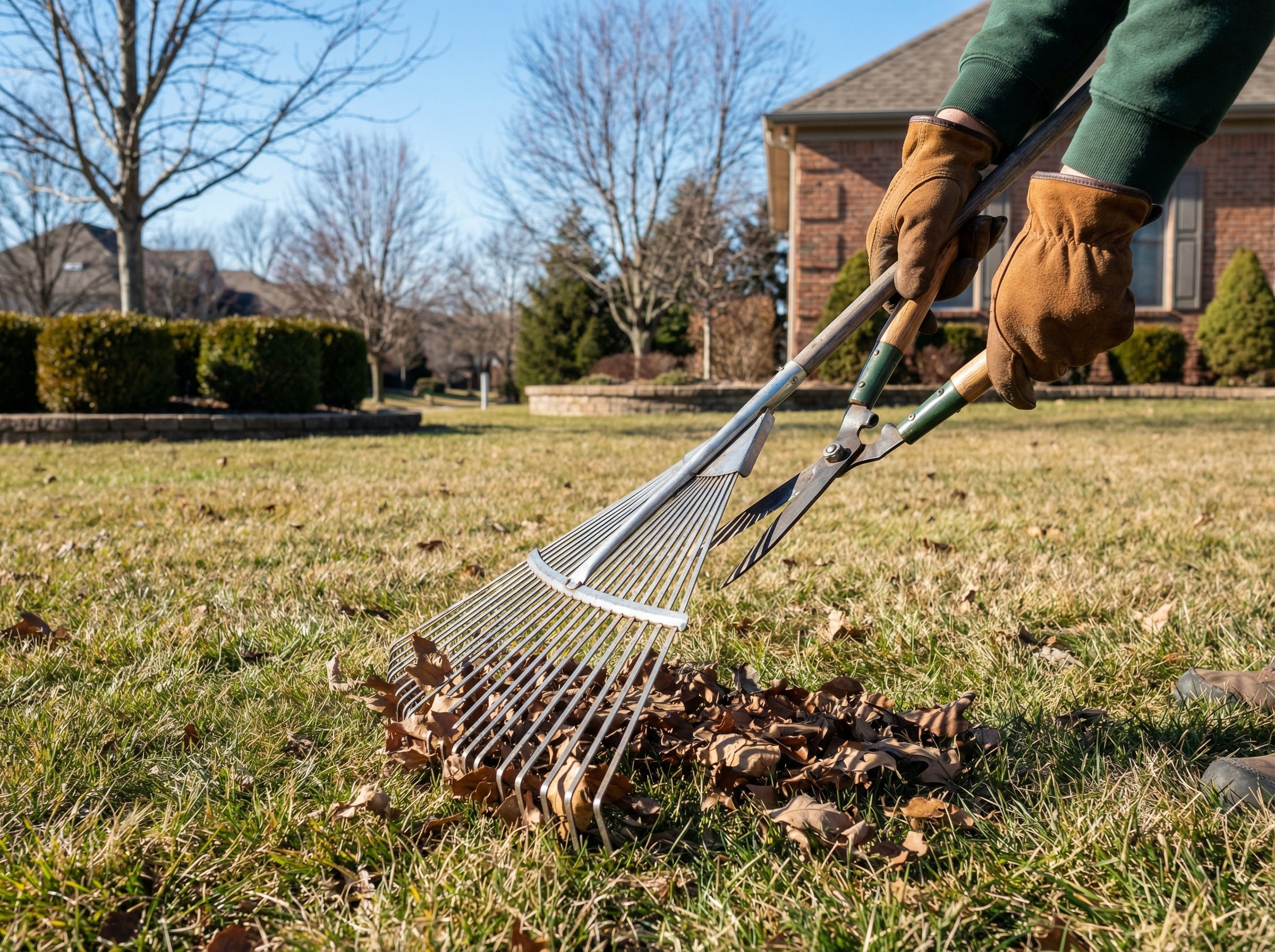
- Clean up debris accumulated from winter storms and ice damage
- Assess winter damage from snow mold, particularly gray and pink snow mold common in Ohio
- Test soil pH - Ohio soils often trend acidic and may need lime application[3]
- Plan your fertilization schedule based on your specific grass type
Extension specialists recommend waiting until grass actively grows before major interventions, as premature activity can stress recovering root systems. Northern Ohio counties should expect to begin these activities 1-2 weeks later than central and southern regions due to delayed soil warming[1].
What Grass Types Need Special Spring Care in Ohio?
Ohio's cool-season grasses each require tailored spring approaches for optimal performance through the state's continental climate. Understanding these differences is crucial for effective spring lawn care in Ohio.
Kentucky Bluegrass dominates Ohio lawns but needs careful spring management. This grass type recovers slowly from winter dormancy and benefits from light fertilization in late April[4]. Avoid heavy nitrogen applications that promote excessive top growth before root establishment.
Tall Fescue varieties, increasingly popular for their drought tolerance, require different timing. These deep-rooted grasses handle Ohio's summer humidity better but need spring overseeding of thin areas before summer stress arrives[2].
Perennial Ryegrass and Fine Fescue blends common in shaded Ohio yards benefit from early spring fertilization to compete with emerging weeds like dandelions and white clover[5].
For mixed grass lawns typical in Ohio, time your care for the dominant grass type and adjust watering to accommodate different growth rates as temperatures rise toward the average summer high of 84°F.
How Do I Prevent Common Ohio Lawn Problems This Spring?
Spring prevention strategies in Ohio focus on the state's most persistent lawn threats: crabgrass, white grubs, and fungal diseases encouraged by humidity. Proper spring lawn care in Ohio requires targeting these issues before they establish.
Crabgrass Prevention: Apply pre-emergent herbicide when forsythia blooms, typically mid-April in Ohio. Crabgrass germinates when soil reaches 55-60°F for several consecutive days[6]. Products containing prodiamine or pendimethalin work effectively for Ohio conditions.
White Grub Management: These beetle larvae, major pests in Ohio lawns, cause damage that becomes apparent in spring. Inspect areas that remained brown after snow melt - grub damage appears as loose, easily lifted turf[3]. Plan summer treatments based on spring damage assessment.
Disease Prevention: Ohio's spring humidity creates ideal conditions for dollar spot and red thread diseases. Improve air circulation by pruning nearby shrubs and avoid evening watering that leaves grass wet overnight[1].
Weed Management: Beyond crabgrass, target dandelions and creeping Charlie with selective herbicides in late April when these perennial weeds actively grow but before summer stress reduces herbicide effectiveness[4].
What's the Best Spring Fertilization Schedule for Ohio?
Ohio's spring fertilization timing differs significantly from warm-season grass regions. Cool-season grasses experience their primary growth period in spring and fall, making proper spring nutrition crucial for summer survival.
Timing: Begin fertilization in late April to early May when grass shows active growth. Soil temperatures should consistently exceed 50°F[2]. Northern Ohio homeowners should wait until early May to ensure adequate soil warming.
Nitrogen Rates: Apply 0.5-1 pound of nitrogen per 1,000 square feet for the spring application. Ohio's 39 inches of annual rainfall can leach nutrients, but avoid over-fertilization that promotes disease in humid conditions[7].
Fertilizer Selection: Choose slow-release fertilizers for Ohio's variable spring weather. Quick-release nitrogen can burn grass during unexpected warm spells or wash away during heavy spring rains common in the region[8].
Soil Testing: Ohio soils frequently require pH adjustment. Test every 2-3 years and apply lime in spring if pH falls below 6.0, as acidic soils reduce fertilizer effectiveness[3].
Mastering spring lawn care in Ohio requires precision timing and understanding of the state's unique climate challenges. By following these zone-specific guidelines and focusing on prevention rather than reaction, your cool-season grass lawn will establish the foundation needed to thrive through Ohio's demanding summer conditions. Start with soil temperature monitoring, prioritize pre-emergent applications, and adjust your approach based on your specific grass types for the best results.