

Quick Answer
The best grass types for Ohio lawns are Kentucky bluegrass, tall fescue, perennial ryegrass, and fine fescue, all cool-season varieties that thrive in Ohio's USDA hardiness zones 5b-6b[1]. Kentucky bluegrass/fescue blends offer the best balance of durability and appearance for most Ohio homeowners, handling the state's cold winters and humid summers effectively[2].
Key Takeaways
- Kentucky bluegrass provides the most attractive lawn but requires more water and maintenance
- Tall fescue offers superior drought tolerance and durability for high-traffic areas
- Perennial ryegrass establishes quickly, making it ideal for overseeding in September
- Fine fescue works best in shaded areas and low-maintenance situations
- Grass seed blends combine multiple varieties for better overall performance in Ohio's variable climate
Ohio's continental climate presents unique challenges for lawn care, with cold winters averaging 20°F lows and humid summers reaching 84°F highs. The state's 39 inches of annual rainfall and moderate to high humidity levels favor cool-season grasses over warm-season varieties[3]. Understanding which grass types perform best in these conditions will help you establish a thriving lawn that withstands Ohio's seasonal extremes.
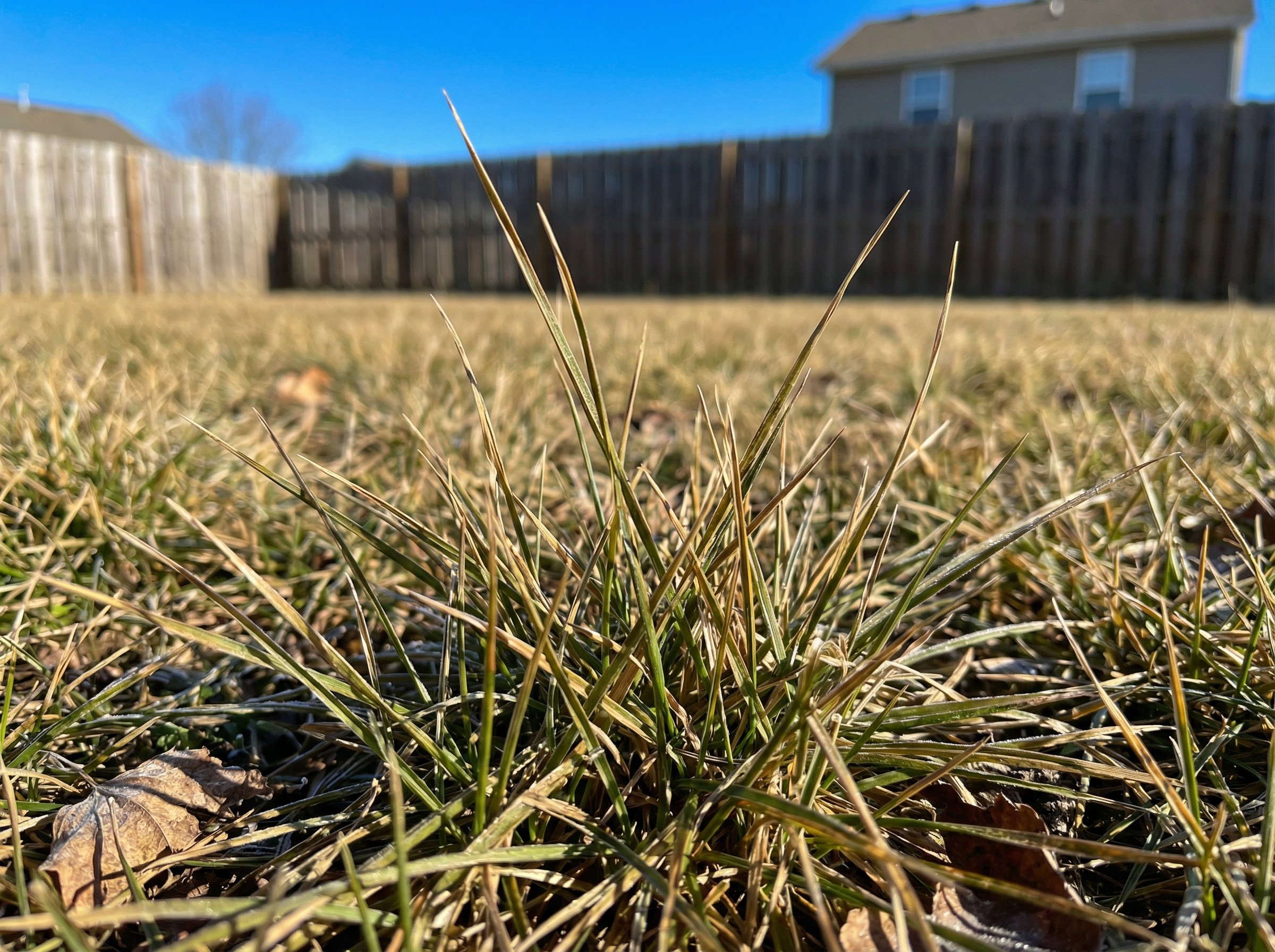
What Grass Grows Best in Ohio's Climate?
Kentucky bluegrass remains the gold standard for Ohio lawns, offering exceptional cold tolerance and the ability to self-repair through underground rhizomes[1]. This grass type creates dense, attractive turf that handles Ohio's freeze-thaw cycles well, though it requires consistent moisture during summer heat.
Tall fescue has gained popularity among Ohio homeowners for its exceptional drought tolerance and traffic resistance. Its deep root system, extending up to 6 feet underground, makes it particularly well-suited for areas that experience stress from pets, children, or equipment[4]. While tall fescue doesn't self-repair like Kentucky bluegrass, newer cultivars offer improved texture and appearance.
Perennial ryegrass excels in Ohio's climate due to its rapid establishment and moderate maintenance requirements. It germinates within 7-14 days, making it perfect for quick lawn repairs or fall overseeding in September when Ohio conditions are optimal[2].
Which Ohio Grass Types Handle Common Problems Best?
Fine fescue varieties, including creeping red fescue and chewing fescue, perform exceptionally well in Ohio's shaded areas where other grasses struggle. These grasses tolerate up to 70% shade and require minimal fertilization, making them ideal for areas under Ohio's native oak and maple trees[5].
For disease resistance, tall fescue shows superior performance against brown patch and dollar spot, two common fungal diseases in Ohio's humid climate[1]. Kentucky bluegrass, while more susceptible to summer diseases, demonstrates excellent recovery from snow mold damage that occurs during Ohio's winter months.
Regarding pest resistance, perennial ryegrass shows good tolerance to white grubs and sod webworms, two major lawn pests in Ohio[6]. However, no single grass type provides complete pest immunity, making proper cultural practices equally important.
When Should You Plant Different Grass Types in Ohio?
September represents the optimal planting window for all cool-season grasses in Ohio, with soil temperatures still warm enough for germination while air temperatures begin cooling[2]. Kentucky bluegrass requires 14-21 days for establishment, so early September planting ensures adequate root development before winter dormancy.
Tall fescue can tolerate later fall planting better than other varieties, with successful establishment possible through early October in most Ohio locations. Spring planting remains possible but challenging due to competition from crabgrass and other weeds that emerge when forsythia blooms in April[3].
Overseeding with perennial ryegrass works well throughout September and early October, taking advantage of Ohio's natural rainfall patterns during this period. Fine fescue establishment benefits from late August through September planting, allowing time for root development in shaded areas before leaf drop.
How Do You Choose the Right Grass Blend for Ohio?
Most lawn care experts recommend Kentucky bluegrass/tall fescue blends for Ohio homeowners, typically containing 60-70% Kentucky bluegrass and 30-40% tall fescue[4]. This combination provides Kentucky bluegrass's attractive appearance and self-repair capabilities while gaining tall fescue's drought tolerance and durability.
Three-way blends incorporating perennial ryegrass offer additional benefits, with the ryegrass providing quick establishment while the other varieties develop. A typical Ohio blend might include 50% Kentucky bluegrass, 30% tall fescue, and 20% perennial ryegrass[1].
For challenging sites, specialized blends work better than single varieties. Shade blends containing fine fescue varieties handle areas receiving less than 6 hours of sunlight, while drought-tolerant blends emphasizing tall fescue suit areas with poor irrigation or sandy soils common in parts of Ohio[5].
Selecting the right grass type for your Ohio lawn depends on your specific conditions, maintenance preferences, and intended use. Kentucky bluegrass delivers premium appearance with higher maintenance requirements, while tall fescue provides durability with lower water needs. Consider your local microclimate, soil conditions, and maintenance capacity when making your selection. For best results, plan seeding for September and consider blended varieties that combine the strengths of multiple grass types suited to Ohio's unique growing conditions.
