Quick Answer
The best grass types for North Carolina are tall fescue (most versatile), Bermudagrass (heat-loving coastal areas), and zoysiagrass (low-maintenance option). North Carolina's transition zone climate across USDA zones 6a-8b allows both cool and warm-season grasses to thrive, with tall fescue being the top choice for most homeowners due to its drought tolerance and ability to handle the state's humid subtropical conditions[1].
Key Takeaways
- Tall fescue performs best across all North Carolina regions, handling both summer heat and winter cold
- Bermudagrass excels in eastern coastal areas but goes dormant November through March
- Zoysiagrass offers excellent drought tolerance but establishes slowly
- Centipedegrass works well in acidic soils of eastern North Carolina
- Choose based on your specific zone: cooler western mountains favor cool-season grasses, warmer eastern areas support warm-season varieties
North Carolina's unique position in the transition zone creates both opportunities and challenges for homeowners. The state's humid subtropical climate in the east and cooler mountain regions in the west, combined with 46 inches of annual rainfall and temperature swings from 30°F winter lows to 88°F summer highs, demands careful grass selection to combat common issues like brown patch disease, fall armyworms, and persistent crabgrass[2].
What Makes North Carolina's Climate Unique for Grass Selection?
North Carolina's transition zone climate means you can successfully grow both cool-season and warm-season grasses, unlike states firmly planted in one climate zone. The state spans USDA hardiness zones 6a through 8b, creating microclimates that affect grass performance[3].
The eastern coastal plain experiences warmer temperatures and higher humidity, making it ideal for warm-season grasses like Bermudagrass and centipedegrass. Meanwhile, the western Piedmont and mountain regions have cooler temperatures that favor cool-season varieties like tall fescue and fine fescue for shaded areas.
This climate diversity also brings challenges. The moderate to high humidity creates perfect conditions for fungal diseases like brown patch and dollar spot, while the warm summers support pest populations including white grubs and mole crickets in eastern regions[4].
Which Grass Types Perform Best in North Carolina?
Tall Fescue: The Top Choice
Tall fescue stands out as North Carolina's most reliable grass type, recommended by university extension services for its exceptional versatility[1]. This cool-season grass tolerates both the state's hot, humid summers and cold winters while maintaining its color longer than warm-season alternatives.
Key advantages include excellent drought tolerance, resistance to heavy foot traffic, and the ability to self-repair through tillering. Tall fescue handles North Carolina's clay soils better than most alternatives and shows good resistance to common local diseases like brown patch when properly maintained.
For best results, overseed tall fescue lawns in September through October when soil temperatures are optimal for germination. Apply pre-emergent herbicide in February to March to prevent crabgrass, a persistent North Carolina weed[5].
Bermudagrass: Eastern Carolina Champion
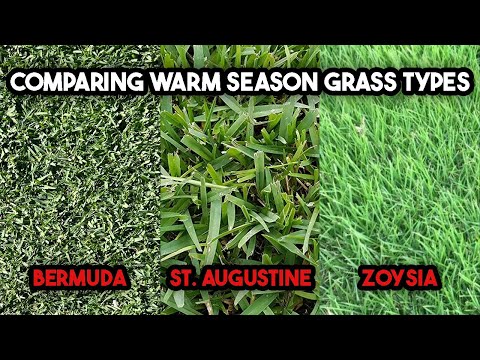
Bermudagrass thrives in North Carolina's eastern regions where temperatures stay warmer and humidity levels support its growth requirements. This warm-season grass produces dense, wear-resistant turf perfect for active families[6].
Bermudagrass enters dormancy from November through March, turning brown during North Carolina's winter months. However, it bounces back quickly in spring, typically requiring first mowing in March. The grass performs exceptionally well in full sun but struggles in shade.
Choose hybrid varieties like Tifway or Celebration for improved disease resistance against spring dead spot, a common issue in North Carolina Bermudagrass lawns[7].
Zoysiagrass: Low-Maintenance Excellence
Zoysiagrass offers North Carolina homeowners an attractive low-maintenance option with excellent drought tolerance and natural resistance to many pests. This warm-season grass creates dense turf that crowds out weeds naturally[8].
The main drawback is slow establishment - zoysiagrass can take 2-3 growing seasons to fully establish from seed or plugs. However, once established, it requires less water and fertilizer than most alternatives, making it ideal for environmentally conscious homeowners.
Zoysiagrass performs well across most of North Carolina but may struggle in the cooler mountain regions of zone 6a[9].
Regional Considerations
Centipedegrass works particularly well in eastern North Carolina's naturally acidic soils. This low-maintenance warm-season grass requires minimal fertilization and handles the region's sandy soils effectively.
For shaded areas throughout the state, fine fescue varieties provide excellent options where other grasses struggle. Kentucky bluegrass can work in cooler western regions but requires more water and care than tall fescue.
How Do I Choose the Right Grass for My North Carolina Property?
Start by identifying your specific location within North Carolina's climate zones and assessing your property's conditions. Consider these factors:
Sun exposure: Bermudagrass and zoysiagrass need full sun, while tall fescue tolerates partial shade. For heavily shaded areas, choose fine fescue varieties.
Maintenance preferences: Centipedegrass and zoysiagrass require less frequent fertilization, while tall fescue and Bermudagrass need more regular feeding during their active growing seasons[10].
Usage patterns: High-traffic areas benefit from tall fescue's durability or Bermudagrass's quick recovery ability.
Seasonal appearance: If you prefer year-round green lawns, tall fescue maintains color through North Carolina's mild winters. Warm-season grasses go dormant, creating brown lawns from November through March.
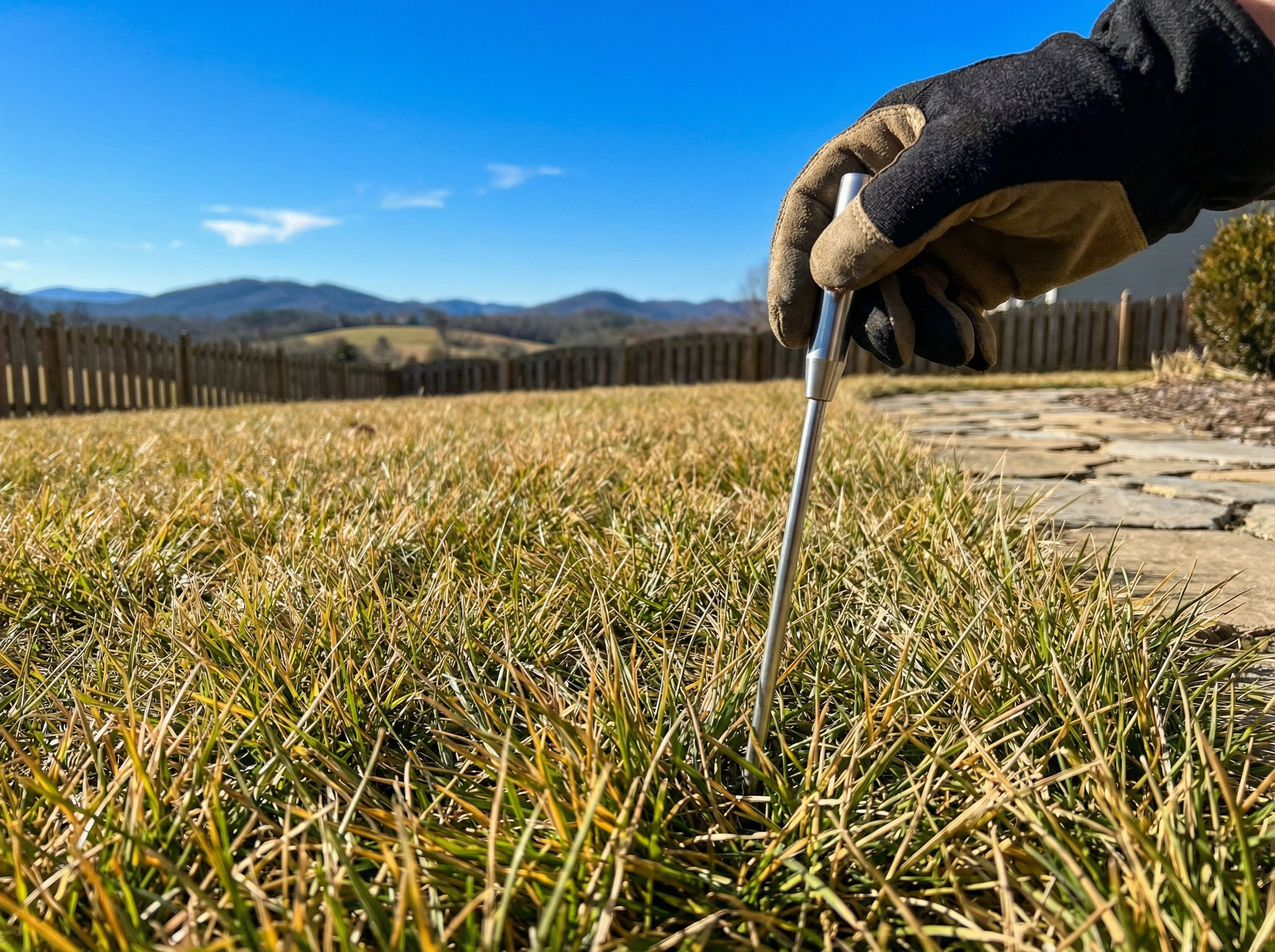
Soil testing helps determine pH and nutrient levels, guiding both grass selection and future maintenance needs. Most North Carolina soils tend toward acidity, which centipedegrass prefers but other varieties may require lime applications[3].
Making Your Decision: Next Steps for North Carolina Homeowners
For most North Carolina properties, tall fescue provides the best combination of durability, year-round color, and manageable maintenance requirements. Eastern homeowners with full sun and tolerance for winter dormancy should consider Bermudagrass, while those wanting low-maintenance options might prefer zoysiagrass despite its slower establishment.
Start planning your grass installation or renovation during the optimal planting windows: September through October for cool-season grasses, May through June for warm-season varieties. Contact your local extension office for soil testing services and region-specific recommendations based on your exact location and conditions.
Remember that successful grass establishment requires proper soil preparation, correct seeding rates, and consistent watering during the establishment period. Factor in North Carolina's common challenges like pre-emergent crabgrass control in February and fungicide applications during humid summer months to maintain healthy turf year-round[11].