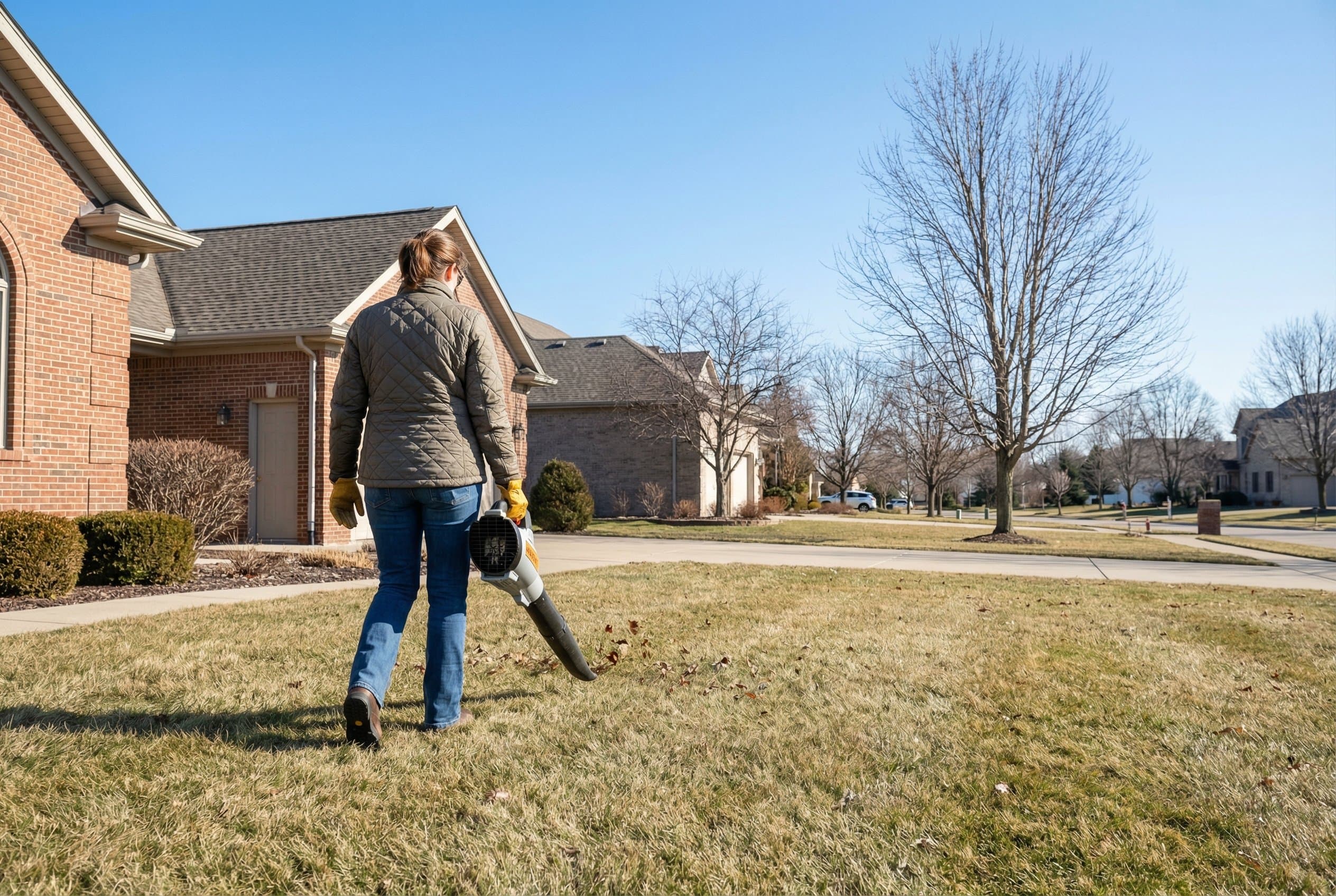

Quick Answer: Summer lawn care in Illinois focuses on keeping cool-season grasses like Kentucky bluegrass and tall fescue healthy during hot, humid conditions averaging 85°F. The key strategies include deep watering 1-2 times weekly, raising mowing height to 3-4 inches, and monitoring for brown patch disease and white grubs that thrive in Illinois's continental climate[1].
Key Takeaways
- Raise mowing height to 3-4 inches during summer to protect cool-season grass roots from heat stress
- Water deeply 1-2 times per week, applying 1-1.5 inches total to match Illinois's 37-inch annual rainfall pattern
- Monitor for brown patch disease and white grubs, Illinois's most problematic summer lawn issues
- Avoid fertilizing Kentucky bluegrass and fine fescue during peak summer heat (July-August)
- Consider drought-tolerant tall fescue for areas experiencing recurring summer stress
Illinois homeowners face unique challenges with summer lawn care in Illinois due to the state's continental climate, which combines hot, humid summers with cool-season grass types across USDA zones 5a-7a[2]. The Prairie State's flat terrain and prairie winds create additional moisture stress, while moderate to high summer humidity promotes fungal diseases that can devastate Kentucky bluegrass and perennial ryegrass lawns[3].
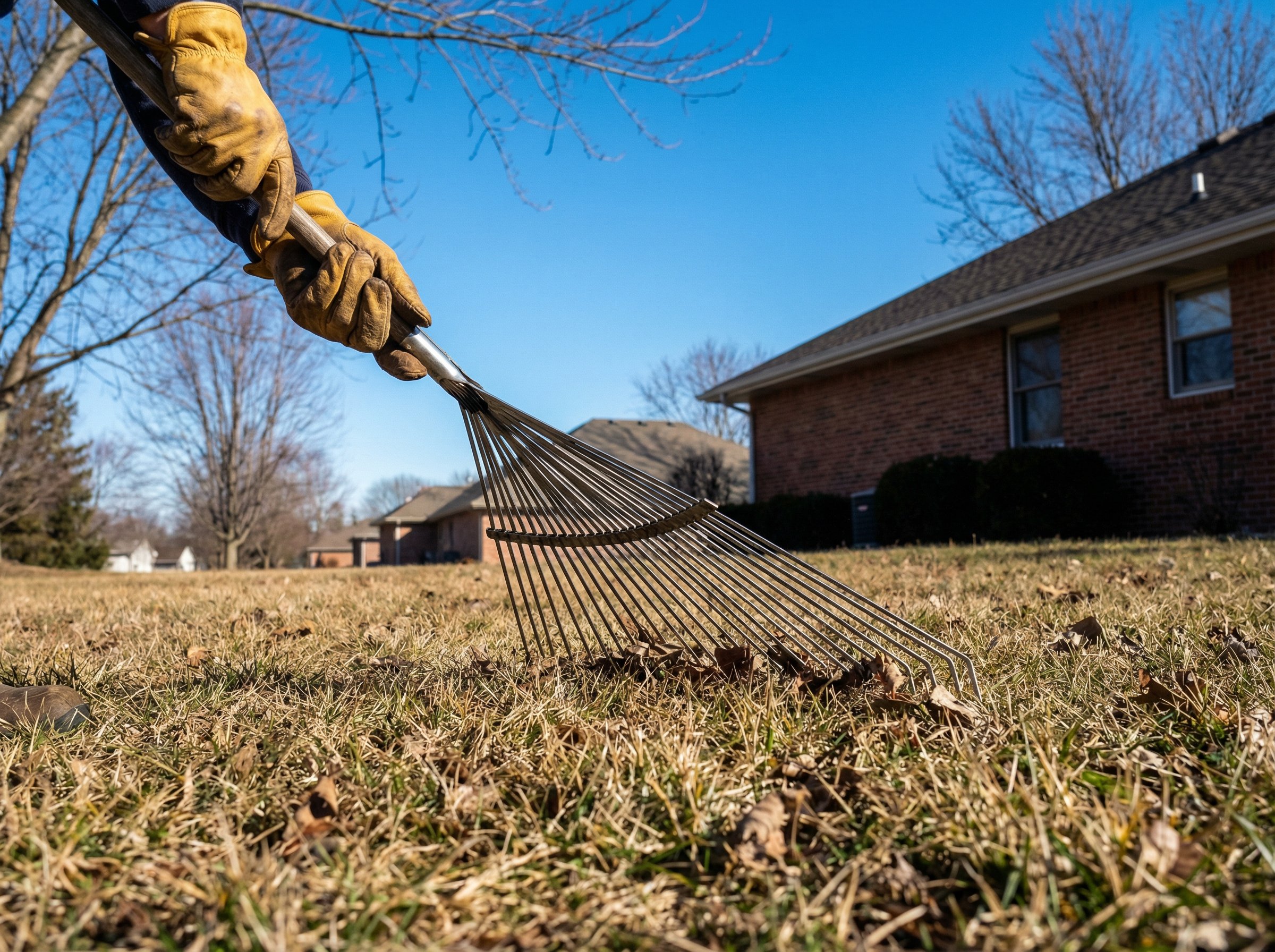
What Watering Schedule Works Best for Illinois Summer Heat?
Illinois's average summer high of 85°F combined with prairie winds creates significant evaporation stress for cool-season grasses. Research shows that deep, infrequent watering builds drought tolerance better than frequent shallow applications[1].
Water your Kentucky bluegrass or tall fescue lawn 1-2 times per week, applying 1-1.5 inches total. Water early morning (5-9 AM) to minimize evaporation from prairie winds and reduce disease risk[4]. Illinois's clay-heavy soils in many regions require slower application rates—run sprinklers for shorter periods with breaks between cycles to prevent runoff.
Monitor soil moisture by inserting a screwdriver 6 inches deep. If it penetrates easily, skip watering[5]. During Illinois's typical summer dry spells, prioritize watering high-traffic areas and newly seeded spots while allowing mature Kentucky bluegrass to enter protective dormancy in less critical zones.
How Should I Adjust Mowing for Illinois Summer Conditions?
Proper mowing height becomes critical when Illinois temperatures climb above 80°F and humidity increases disease pressure on cool-season grasses. Raise your mower to 3-4 inches for Kentucky bluegrass and 3.5-4 inches for tall fescue during summer months[2].
Taller grass blades shade soil, reducing surface temperature by up to 10°F and conserving moisture—essential during Illinois's hot, windy summers[6]. Follow the one-third rule strictly: never remove more than one-third of the blade length in a single cutting.
Mow during cooler morning or evening hours to reduce stress. Keep mower blades sharp, as dull blades create ragged cuts that invite disease—particularly problematic in Illinois's humid conditions that favor brown patch and dollar spot fungi[3]. Consider mulching clippings to return nitrogen and organic matter to the soil, but remove clippings if disease symptoms appear.
What Summer Pests and Diseases Should Illinois Homeowners Watch For?
Illinois's humid summers create ideal conditions for specific lawn problems that rarely affect western states. Brown patch disease thrives when nighttime temperatures exceed 70°F with high humidity—common conditions across Illinois from June through August[7].
Brown patch appears as circular brown patches 6 inches to several feet wide, often with a distinctive "smoke ring" border. Improve air circulation by pruning nearby shrubs and avoid evening watering[3]. Fungicide applications may be necessary for valuable lawn areas during severe outbreaks.
White grubs, the larvae of Japanese beetles and other scarab beetles, cause significant damage to Illinois lawns. Adult beetles lay eggs in July, with grubs feeding on grass roots through late summer[8]. Look for brown patches that peel back like carpet, indicating severed roots. Apply beneficial nematodes or targeted grub control products when soil temperature reaches 70°F.
Sod webworms also peak during Illinois summers, creating small brown spots and visible moths flying in zigzag patterns at dusk. These pests particularly target stressed Kentucky bluegrass lawns during drought conditions[1].
Should I Fertilize My Illinois Lawn During Summer?
Cool-season grasses in Illinois have different summer fertilizer needs compared to warm-season southern lawns. Avoid fertilizing Kentucky bluegrass, fine fescue, and perennial ryegrass during peak heat (July-August) when these grasses naturally slow growth[2].
Tall fescue, being more heat-tolerant, can benefit from light feeding in early June if adequate moisture is available. Apply a slow-release nitrogen fertilizer at half the normal rate to avoid burning stressed grass[6].
Focus summer efforts on organic matter instead. Compost topdressing helps Illinois's clay soils retain moisture and provides slow-release nutrients without the burn risk of synthetic fertilizers[9]. Save major fertilization for Illinois's optimal cool-season windows: late spring (May) and early fall (September).
For lawns with zoysiagrass in southern Illinois, summer represents the prime growing season requiring different care—monthly feeding through summer supports this warm-season grass's active growth period[4].
Conclusion
Successful summer lawn care in Illinois requires adapting to the state's unique combination of cool-season grasses and continental climate challenges. Focus on the three pillars: proper watering (1-1.5 inches weekly), increased mowing height (3-4 inches), and vigilant pest monitoring for brown patch and white grubs. Remember that Illinois's cool-season grasses naturally struggle in summer heat—your goal is survival and stress reduction, not lush growth. Plan major improvements for Illinois's optimal fall window (late August through September) when cool-season grasses thrive in the state's moderate temperatures and increased rainfall[10].
