Quick Answer: The best grass types for Illinois are cool-season varieties, with Kentucky bluegrass being the top choice for most of the state, followed by tall fescue for high-traffic areas and perennial ryegrass for quick establishment[1]. In southern Illinois (zone 7a), zoysiagrass can also thrive as a warm-season option.
Key Takeaways
- Kentucky bluegrass performs best in Illinois's continental climate with cold winters and humid summers
- Tall fescue offers superior drought tolerance for Illinois's variable rainfall patterns
- Cool-season grasses dominate due to USDA hardiness zones 5a-7a throughout the state
- Southern Illinois homeowners can consider zoysiagrass for reduced maintenance
- Timing grass establishment for late August through mid-September maximizes success
Selecting the right grass type for your Illinois lawn means understanding the state's unique continental climate, which brings cold winters averaging 18°F and hot, humid summers reaching 85°F. With moderate annual rainfall of 37 inches and challenging prairie winds, Illinois lawns need grass varieties that can handle temperature extremes and recover from seasonal stress[2].
What Grass Grows Best in Illinois's Climate Zones?
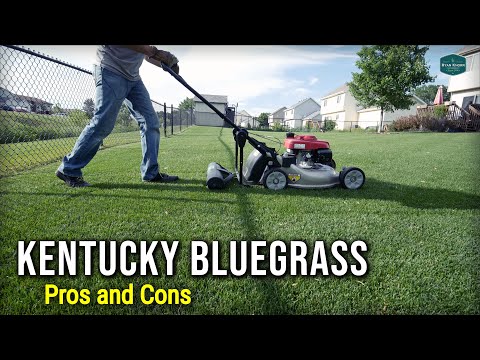
Kentucky bluegrass reigns as Illinois's premier lawn grass, thriving in the state's USDA zones 5a-7a[1]. This cool-season grass handles Illinois's harsh winters exceptionally well while producing the dense, emerald-green turf homeowners desire. Kentucky bluegrass spreads through underground rhizomes, allowing it to self-repair from damage caused by common Illinois pests like white grubs and sod webworms.
Tall fescue ranks as the second-best choice, particularly for high-traffic areas and slopes exposed to prairie winds. Its deep root system, extending up to 6 feet underground, makes it incredibly drought-tolerant during Illinois's variable summer conditions[3]. This characteristic proves invaluable when facing the heat stress and humidity typical of Illinois summers.
Perennial ryegrass excels as a quick-establishing option, germinating in just 7-14 days during Illinois's optimal seeding window of late August through mid-September[1]. While less winter-hardy than Kentucky bluegrass, newer cultivars perform well in Illinois when properly established before the first frost.
Which Grass Types Handle Illinois Weather Extremes?
Fine fescue varieties, including creeping red fescue and hard fescue, offer excellent solutions for challenging Illinois conditions like shade under mature oak trees or sandy soils in northern regions[4]. These grasses require minimal water and fertilizer, making them ideal for low-maintenance areas where foot traffic is minimal.
For southern Illinois homeowners in zone 7a, zoysiagrass presents a warm-season alternative that goes dormant during winter but provides exceptional summer performance[2]. Zoysiagrass resists common Illinois lawn diseases like brown patch and dollar spot while requiring less frequent watering than cool-season alternatives.
Buffalograss, while uncommon, can succeed in western Illinois counties with lower humidity and rainfall. This native prairie grass requires minimal inputs but provides a shorter, less traditional lawn appearance[5].
When Should You Plant Different Grass Types in Illinois?
Timing is critical for grass establishment success in Illinois's continental climate. Cool-season grasses like Kentucky bluegrass and tall fescue should be seeded during the late August through mid-September window, allowing 6-8 weeks of growth before winter dormancy begins in December[1].
Spring seeding from April through May offers a secondary planting window, though newly established grass faces immediate pressure from summer heat and increased competition from weeds like crabgrass and dandelion[6]. Spring-seeded lawns require more intensive watering and care during their first Illinois summer.
Warm-season zoysiagrass should be planted in late spring through early summer when soil temperatures consistently exceed 65°F, typically from late May through June in southern Illinois[2].
How Do You Choose Grass for Specific Illinois Conditions?
Consider your specific location within Illinois when selecting grass types. Northern Illinois counties experience longer, colder winters that favor hardy Kentucky bluegrass cultivars bred for zone 5a conditions. Southern Illinois homeowners have more options, including heat-tolerant tall fescue blends and warm-season zoysiagrass.
Evaluate your lawn's sun exposure, soil type, and intended use. Shady areas under Illinois's abundant mature trees perform better with fine fescue blends, while sunny areas with heavy foot traffic benefit from tall fescue or Kentucky bluegrass mixtures[4].
Account for Illinois-specific maintenance requirements, including the need for pre-emergent herbicide application in April when soil temperatures reach 55°F to prevent crabgrass germination[1]. Choose grass types that align with your willingness to perform seasonal tasks like fall aeration and overseeding.
Choosing the right grass type sets the foundation for a thriving Illinois lawn that can withstand harsh winters, humid summers, and common regional challenges. Start by determining your specific hardiness zone, assess your site conditions, and select varieties proven to perform in Illinois's continental climate. Plan your seeding for the optimal late August through mid-September window, and prepare for season-specific maintenance practices that keep your chosen grass type healthy year-round.
