
Quick Answer: Fall is the most critical season for Illinois lawn care, with September through October being optimal for aerating, overseeding Kentucky bluegrass and tall fescue, and applying winterizer fertilizer before the state's harsh continental winter sets in.
Key Takeaways
- September-October is prime time for core aeration and overseeding cool-season grasses in Illinois
- Apply winterizer fertilizer in late October-November to help grass survive 18°F average winter lows
- Target white grubs and prevent brown patch disease during fall's humid conditions
- Stop mowing by November when grass enters dormancy
- Focus on Kentucky bluegrass, tall fescue, and perennial ryegrass recovery after hot summers
Fall lawn care in Illinois requires understanding the state's continental climate challenges. With average winter lows dropping to 18°F across USDA zones 5a-7a, your cool-season grasses need strategic fall preparation to survive harsh prairie winters and recover from Illinois's hot, humid summers that average 85°F[1].
When Should I Aerate and Overseed My Illinois Lawn?
The optimal window for core aeration and overseeding in Illinois runs from early September through mid-October, when soil temperatures remain warm but air temperatures cool[2]. This timing allows Kentucky bluegrass, tall fescue, and perennial ryegrass seeds to establish strong root systems before winter dormancy begins in December.
Core aerate when soil moisture is adequate but not waterlogged. Illinois's 37 inches of annual rainfall typically provides good fall moisture, but supplement with irrigation if September proves dry. Remove cores that are 2-3 inches deep and space holes 2-4 inches apart across your entire lawn.
For overseeding, choose grass varieties suited to your specific Illinois location. Northern Illinois homeowners should focus on Kentucky bluegrass and fine fescue blends, while southern Illinois can incorporate more tall fescue for heat tolerance[1]. Apply seed immediately after aeration at rates of 2-4 pounds per 1,000 square feet for overseeding existing lawns.
What Fertilizer Schedule Works Best for Illinois Fall Lawns?
Illinois cool-season grasses require a two-step fall fertilization approach. Apply a balanced fertilizer in early September to support active fall growth and recovery from summer stress. Follow with a winterizer application in late October or November, focusing on potassium to enhance cold tolerance for Illinois's severe winters[3].
The University of Illinois Extension recommends applying 0.5-1.0 pounds of nitrogen per 1,000 square feet during the September application[1]. Choose a fertilizer with a 3-1-2 or 4-1-2 ratio (nitrogen-phosphorus-potassium) for the early fall feeding.
For the winterizer application, select a high-potassium fertilizer with minimal nitrogen. This final feeding helps Kentucky bluegrass and fescue varieties develop the cellular strength needed to survive Illinois's freeze-thaw cycles and potential ice damage from winter storms.
How Do I Handle Illinois Fall Pest and Disease Issues?
Fall in Illinois brings specific pest and disease pressures that require targeted management. White grubs, which damage grass roots and attract skunks and raccoons, are best controlled in September when larvae are small and actively feeding near the soil surface[4].
Apply grub control products containing beneficial nematodes or appropriate insecticides in early September, watering thoroughly after application. Monitor for irregular brown patches in your lawn, which may indicate grub feeding damage beneath the surface.
Brown patch disease thrives in Illinois's humid fall conditions, particularly affecting tall fescue and perennial ryegrass. Reduce evening irrigation, improve air circulation through selective pruning, and avoid high-nitrogen fertilizers that promote succulent growth susceptible to disease[5].
Watch for dollar spot disease on Kentucky bluegrass during cool, dewy fall mornings. This fungal disease appears as silver-dollar-sized brown spots and indicates nitrogen deficiency, making your September fertilizer application crucial for prevention.
When Should I Stop Mowing and Prepare for Illinois Winter?
Continue mowing Illinois lawns through October, maintaining cool-season grasses at 2.5-3 inches to maximize photosynthesis during shorter fall days. As temperatures consistently drop below 50°F, typically in November, grass growth slows significantly and mowing frequency decreases[1].
Make your final mow of the season when grass stops growing, usually by mid-November in northern Illinois and late November in southern regions. Cut grass slightly shorter (2 inches) for this final mow to prevent snow mold diseases during Illinois's long dormancy period from December through March[6].
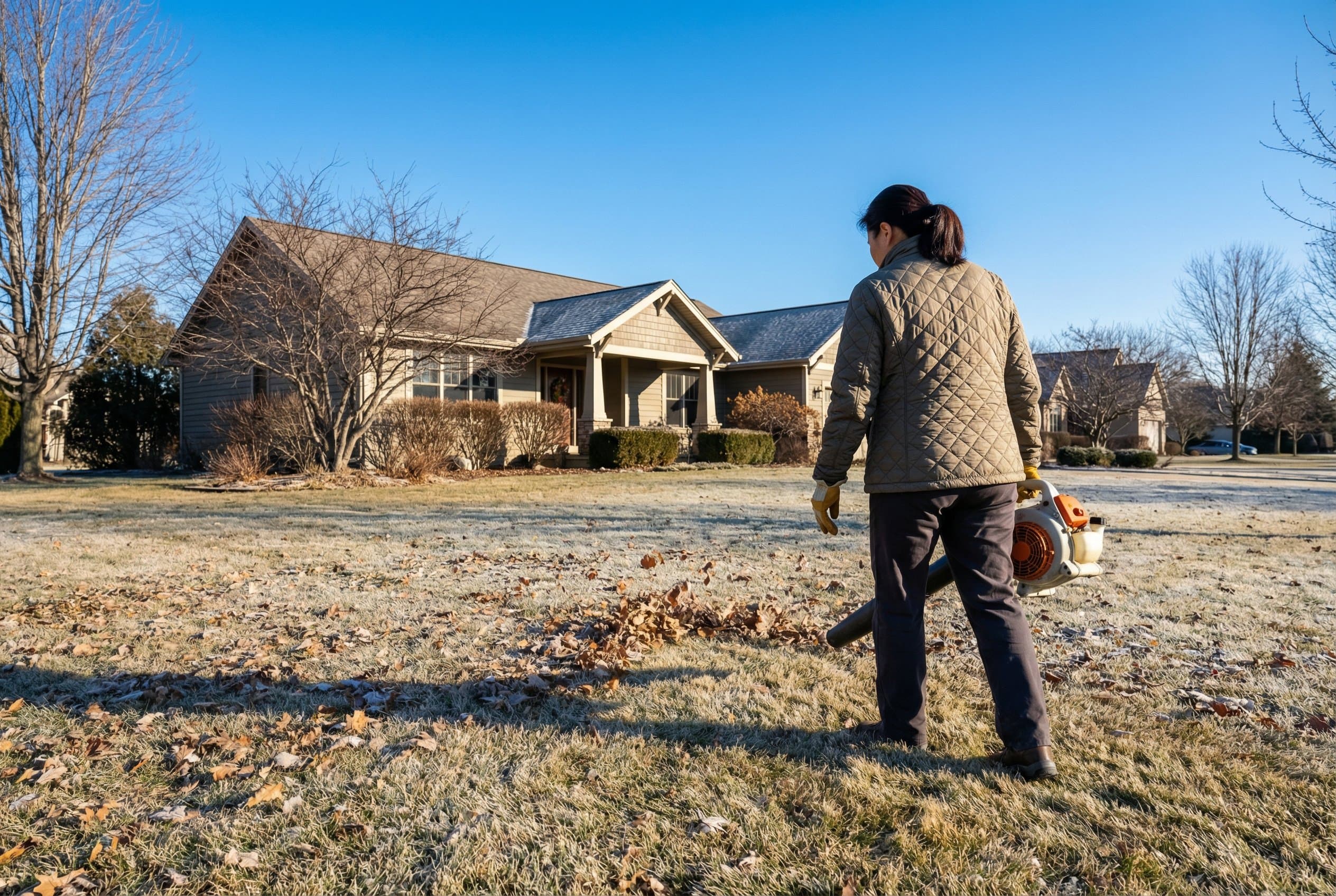
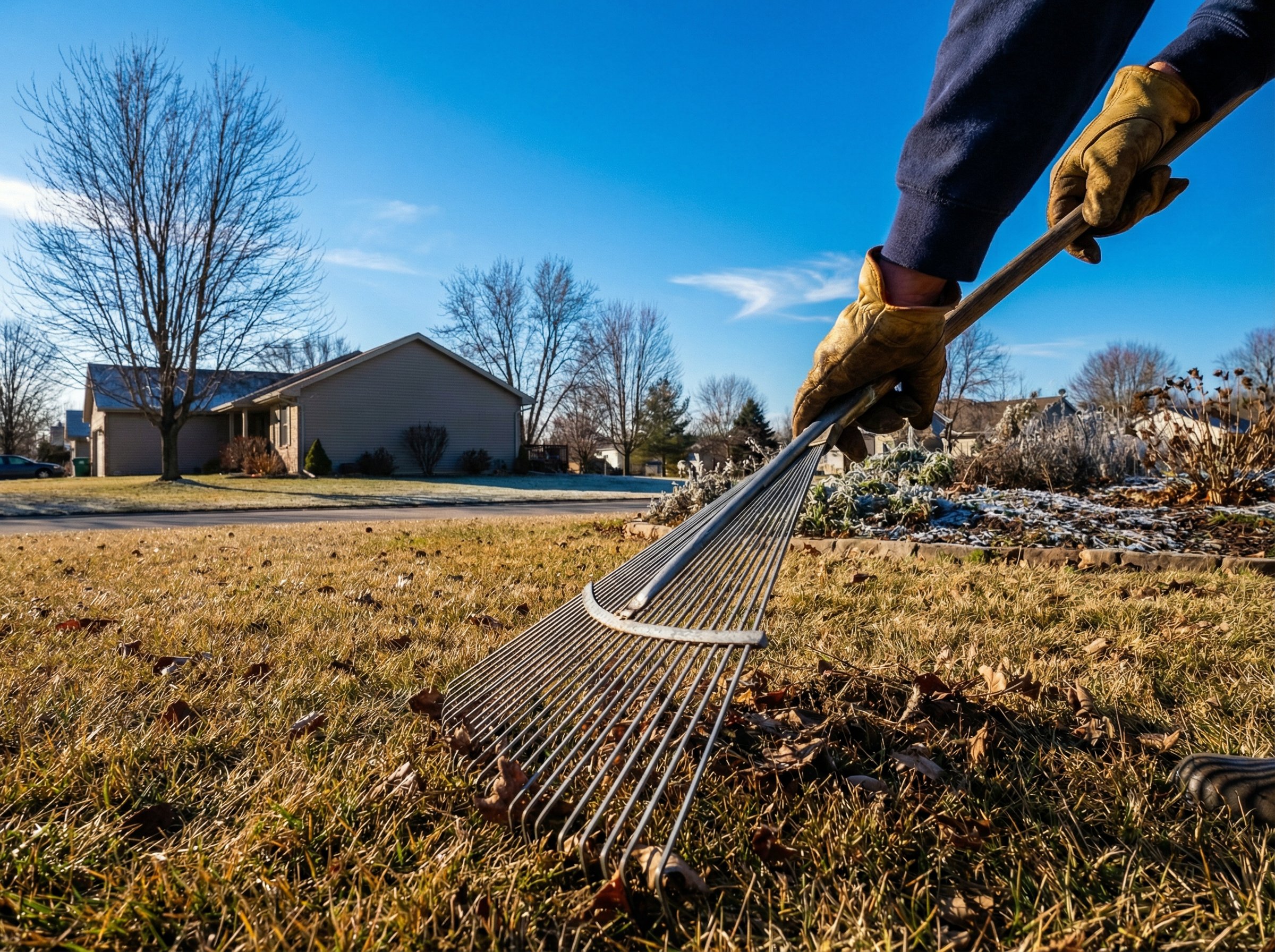
Remove fallen leaves promptly to prevent smothering your grass. Illinois's abundant mature trees can deposit heavy leaf layers that block sunlight and promote fungal diseases. Mulch thin leaf layers with your mower, but rake and remove thick accumulations.
Conclude fall preparations by winterizing your irrigation system before freezing temperatures arrive. Blow out water lines and shut off outdoor water sources to prevent freeze damage during Illinois's harsh continental winter.
Conclusion
Successful fall lawn care in Illinois centers on timing your efforts with the state's continental climate patterns. Focus on core aeration and overseeding during the September-October window, implement the two-step fertilization approach, and address white grubs and brown patch disease proactively. By following these Illinois-specific practices, your cool-season grasses will emerge strong and healthy when spring growth resumes in April.