Quick Answer
Knowing when to apply crabgrass preemergent in Illinois comes down to one number: 55°F. Apply preemergent when soil temperatures reach 55°F at a 2-inch depth for two to three consecutive days[1]. Timing varies by region — northern Illinois (Zones 5a–5b) typically hits that threshold a week or two later than central and southern Illinois (Zones 6a–7a). Apply before soil temps climb past 60°F or crabgrass seeds will have already started germinating.
Key Takeaways
- Apply preemergent when soil temperatures hit 55°F — typically early April in central/southern Illinois and mid-April in northern Illinois
- Use a soil thermometer, not the calendar, as your primary timing guide
- Do not overseed or aerate within 8–12 weeks of applying a preemergent herbicide
- A second application 6–8 weeks after the first provides extended season-long protection
- Kentucky Bluegrass and Tall Fescue lawns benefit most from consistent annual preemergent programs
Introduction
Deciding when to apply crabgrass preemergent in Illinois is one of the most impactful lawn care choices you can make each spring. Crabgrass is one of the most persistent weed problems facing Illinois homeowners every summer. With hot, humid summers and July highs averaging 83°F in the Chicago metro and topping 90°F in southern Illinois, the state provides near-ideal conditions for crabgrass to explode across thin or stressed turf[2].
Couple that with Illinois's continental climate — where spring temperatures can swing dramatically within a single week — and timing your preemergent application becomes both critical and tricky. Miss the window by even a few days and you're playing catch-up all season. Get it right, and your Kentucky Bluegrass, Tall Fescue, or Perennial Ryegrass lawn stays clean through fall.
Illinois Soil Temperature Thresholds for Crabgrass Preemergent
The 55°F soil temperature rule is the gold standard for preemergent timing in Illinois[1]. Crabgrass seeds begin germinating once soil temps at a 2-inch depth stay at or above 55°F for several consecutive days. Waiting until you see crabgrass sprouting is already too late — preemergent herbicides work by creating a chemical barrier in the soil that prevents germination, not by killing established plants[3].
How to Track Soil Temperature
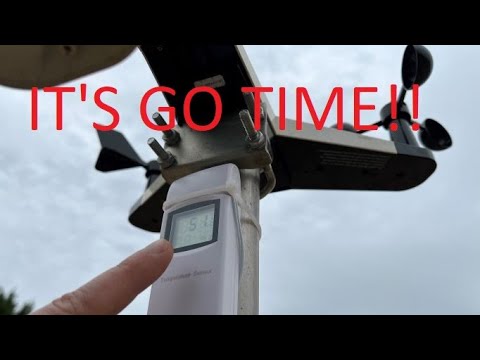
- Use an inexpensive soil thermometer and check readings mid-morning for the most accurate results
- Check the Illinois State Water Survey or your local cooperative extension office for real-time soil temperature maps[4]
- Soil temperatures in northern Illinois (Chicago metro, Rockford) typically hit 55°F in mid-April; central Illinois (Peoria, Springfield) reaches this threshold in early-to-mid April; southern Illinois (Carbondale, Marion) can hit it as early as late March
Don't Rely on Calendar Dates Alone
Illinois's prairie winds and variable spring weather mean soil temperatures can vary by 10°F or more from one year to the next at the same calendar date[2]. A warm March can push your window earlier; a late cold snap can delay it significantly. The thermometer is your most reliable guide, every single season.
When to Apply Crabgrass Preemergent in Illinois: Best Application Strategy
Application strategy is what separates a clean lawn from a crabgrass nightmare. Illinois lawns growing Kentucky Bluegrass and Tall Fescue — the state's most common cool-season grasses — are particularly vulnerable along driveways, sidewalk edges, and thin south-facing slopes where soil heats up fastest[1].
Granular vs. Liquid Preemergents
- Granular formulas are the most practical choice for most Illinois homeowners — apply with a broadcast or drop spreader and water in with at least ½ inch of irrigation or rainfall[3]
- Liquid formulas offer more even coverage and are a good option for smaller lawns or problem areas near hardscaping
- Both types require incorporation into the soil through watering — without moisture, the chemical barrier won't form properly
Active Ingredients to Look For
Common preemergent active ingredients registered for residential use include prodiamine, dithiopyr, and pendimethalin[5]. Dithiopyr has the added benefit of providing some post-emergent control on very young crabgrass seedlings at the one-to-two leaf stage, though this post-emergent window is narrow and should not substitute for proper timing[5]. This gives Illinois homeowners a slightly wider application window if timing gets tricky, but proper timing remains the priority.
Consider a Split Application
For Illinois homeowners who want season-long protection — especially during the hot, humid stretch from July through August — a split application strategy works well[3]:
- Apply the first treatment at the 55°F soil temperature trigger in early-to-mid April
- Follow up with a second application at half rate 6–8 weeks later (late May to early June)
- This approach extends protection through the peak crabgrass germination window without overloading soil chemistry
What Illinois Homeowners Should Avoid After Applying Preemergent
Preemergent herbicides don't distinguish between weed seeds and grass seeds — they inhibit all germination[3]. This creates an important conflict for Illinois lawns that need overseeding or renovation work in spring.
Overseeding and Preemergent Don't Mix
Do not overseed Kentucky Bluegrass, Tall Fescue, or Perennial Ryegrass within 8–12 weeks of applying a preemergent herbicide[1]. This is why Illinois's best overseeding window — late August through mid-September — is intentionally timed well after spring preemergent applications break down in the soil.
Skip Aeration Too
Core aeration in spring will physically disrupt the preemergent barrier you just laid down[6]. Save aeration for the fall window (September–October), which aligns perfectly with Illinois's ideal overseeding season and avoids compromising your weed control investment.
Watch Out for Damaged Turf Areas
If your lawn suffered winter damage — common after Illinois's cold winters with average lows near 18°F — you may face a choice between filling in bare spots or maintaining weed control[2]. In heavily damaged areas, consider spot-treating for crabgrass later in the season rather than sacrificing your repair seeding[1].
Frequently Asked Questions
Can I apply crabgrass preemergent in May in Illinois?
You can, but your effectiveness window narrows significantly. If soil temperatures have already exceeded 60°F for several days, crabgrass germination may already be underway and preemergent herbicides will have limited effect on seeds that have begun to sprout[3]. If you're applying in early May and soil temps are still in the 55–60°F range, you may still get useful protection — especially with a dithiopyr-based product that offers a narrow post-emergent benefit on very young seedlings[5].
What if I missed the preemergent window entirely?
If crabgrass is already visible, switch to a post-emergent herbicide labeled for crabgrass control. Products containing quinclorac or mesotrione can suppress or kill young crabgrass plants[5]. Results are best on plants with fewer than four tillers. Focus on improving turf density through fall overseeding and proper mowing to reduce bare soil where crabgrass thrives next season.
How early is too early to apply preemergent in Illinois?
Applying more than two to three weeks before soil temps hit 55°F risks the herbicide breaking down before the peak germination window arrives[1]. Most preemergent products provide 60–90 days of control under normal conditions, so applying in late February or very early March in most of Illinois will leave you unprotected during the hottest part of the germination window in June and July.
Do I need to reapply preemergent every year in Illinois?
Yes. Preemergent herbicides break down in the soil over one season and do not carry over year to year[3]. Annual applications are necessary for consistent protection. A healthy, dense turf maintained at the proper mowing height (3–4 inches for Kentucky Bluegrass and Tall Fescue) will also naturally crowd out crabgrass over time, reducing how heavily you need to rely on chemical control.
Conclusion: Your Spring Preemergent Action Plan for Illinois
Don't let another Illinois summer hand your lawn over to crabgrass. Here's your straightforward action plan:
- Start monitoring soil temps in mid-March using a soil thermometer or the Illinois State Water Survey's soil temperature resources[4]
- Apply your preemergent when soil hits 55°F — aim for early-to-mid April in most of Illinois, adjusting by zone[1]
- Water it in promptly with ½ inch of irrigation if rain isn't in the forecast[3]
- Consider a second application 6–8 weeks later for season-long control in problem areas
- Save overseeding and aeration for fall — late August through October is Illinois's prime lawn renovation window
Consistent annual preemergent applications are the single most effective tool for keeping crabgrass out of Illinois lawns. Pair that with proper mowing height (3–4 inches for Kentucky Bluegrass and Tall Fescue) and a fall fertilization program, and you're building a lawn that resists weeds naturally over time[1][6].