
Quick Answer
Florida's summer lawn care centers on managing heat stress, controlling chinch bugs and fungal diseases, and adjusting mowing height to 3-4 inches for St. Augustinegrass[1]. The combination of 92°F average highs, heavy rainfall, and extreme humidity creates unique challenges that require specific timing and techniques from June through September.
Key Takeaways
- Raise mowing height to 3-4 inches during summer heat to protect grass crowns and retain moisture
- Apply slow-release fertilizer in early summer (May-June) before peak stress periods
- Monitor for chinch bugs weekly, especially in St. Augustinegrass during drought periods
- Water deeply but infrequently in early morning to combat fungal diseases in humid conditions
- Prepare for hurricane season by avoiding late-summer fertilization that promotes weak growth
Introduction
Florida's summer presents a perfect storm of lawn care challenges for summer lawn care in Florida: scorching heat, torrential downpours, and humidity levels that promote disease. Unlike northern states where summer means consistent watering, Florida homeowners must navigate alternating drought and flood conditions while battling heat-loving pests like chinch bugs[2]. Success requires understanding how warm-season grasses like St. Augustinegrass and Bahiagrass respond to the state's subtropical to tropical climate across USDA zones 8a-11a[1].
How Should I Adjust Mowing During Florida's Summer Heat?
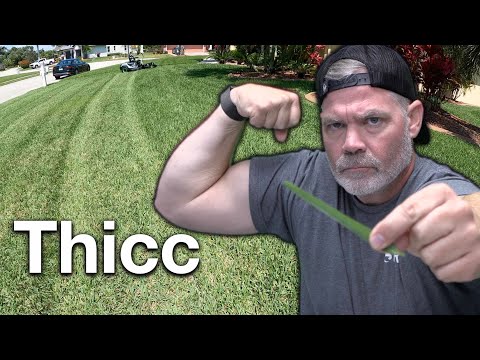
Raise your mower deck to the highest recommended setting for your grass type during summer months. St. Augustinegrass should be cut to 3-4 inches, while Bahiagrass can handle 3-4 inches and Bermudagrass 1.5-2.5 inches[1]. This increased height provides crucial shade for grass crowns and helps retain soil moisture during Florida's intense heat.
Mow in early morning or late evening when temperatures drop below 85°F. Never cut more than one-third of the blade length, as stressed grass recovers slowly in extreme heat[3]. Keep mower blades sharp - dull blades create jagged cuts that invite disease in Florida's humid conditions[4].
During peak summer stress (July-August), you may need to mow twice weekly due to alternating growth spurts from heavy rains and heat-induced dormancy periods.
What Fertilizer Schedule Works Best for Florida Summer Lawn Maintenance?
Apply your final summer fertilization in early June before peak heat arrives[1]. Use a slow-release formula with a 3-1-2 or 4-1-2 nitrogen-phosphorus-potassium ratio specifically designed for Florida soils, which are typically sandy and low in organic matter[5].
Avoid fertilizing from July through early September when grass enters summer stress mode. Late-summer fertilization promotes soft, weak growth that's vulnerable to hurricanes and increases susceptibility to gray leaf spot disease[1][3].
For iron-deficient soils common in Central and South Florida, apply iron sulfate monthly during summer to maintain color without stimulating excessive growth. This is particularly important for St. Augustinegrass, which shows iron deficiency through yellowing between leaf veins[1].
How Do I Control Summer Pests and Diseases in Florida?
Chinch bugs become most active when temperatures exceed 85°F and rainfall decreases, making June through August peak season[2]. Look for yellowing patches that spread outward in sunny areas of St. Augustinegrass and Zoysiagrass. Perform the "float test" by cutting both ends from a coffee can, pushing it into the soil at patch edges, and filling with water - chinch bugs will float to the surface[3].
Gray leaf spot thrives in Florida's summer humidity, especially on St. Augustinegrass. Reduce nitrogen, improve air circulation by pruning nearby shrubs, and water only in early morning to allow grass to dry quickly[1][4].
Mole crickets peak in June and July, creating tunnels that damage root systems[2]. Apply beneficial nematodes during warm, moist conditions for biological control, or use targeted insecticides in early evening when crickets are most active.
For fire ants, treat mounds individually rather than broadcasting treatments during summer heat, which can stress already vulnerable grass[4].
What Watering Strategy Handles Florida's Summer Weather Extremes?
Florida's summer rainfall averages 54 inches annually, but distribution varies dramatically between drought periods and tropical systems[6]. Water deeply but infrequently during dry spells - typically 1 inch per week including rainfall[5].
Water between 4-8 AM to reduce fungal diseases that flourish in Florida's overnight humidity. Avoid evening watering, which keeps grass wet for 12+ hours in humid conditions[1].
During heavy rain periods common in July and August, suspend irrigation and improve drainage around problem areas. Standing water for more than 24 hours can trigger pythium and other water molds in Florida's warm soils[2][3].
Install rain sensors on irrigation systems to prevent overwatering - a requirement in many Florida municipalities and crucial for preventing disease in sandy soils that drain quickly but become waterlogged during heavy rains[6].
Conclusion
Successful summer lawn care in Florida requires adapting to the state's unique climate challenges rather than following generic warm-season advice. Focus on raising mowing height, timing fertilization before peak stress, and maintaining vigilance against heat-loving pests like chinch bugs[2]. Remember that Florida grass often looks its worst in July and August - this is normal summer dormancy, not permanent damage. Resume regular fertilization in September as temperatures moderate, and your lawn will recover for Florida's extended growing season that continues through October.