Quick Answer
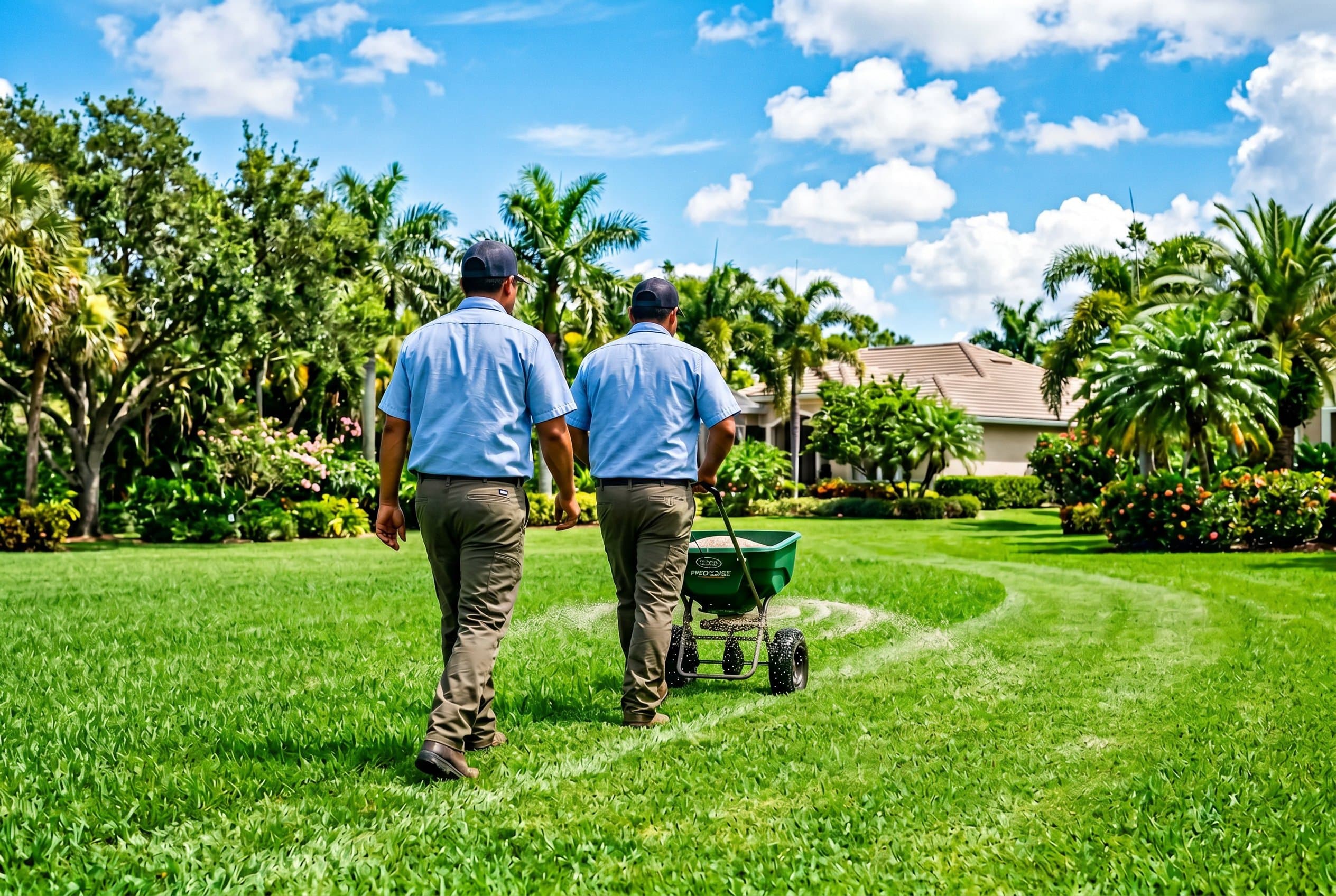
Florida lawns need fertilizer from March through October, with the first application in early March for St. Augustinegrass, Bahiagrass, Zoysiagrass, and Bermudagrass when soil temperatures reach 65°F[1]. Apply 4-6 times per year using a slow-release nitrogen fertilizer, avoiding summer applications during July-August when heavy rainfall can cause nutrient runoff[2].
Key Takeaways
- Start fertilizing in March when warm-season grasses break dormancy
- Apply fertilizer 4-6 times annually from March through October
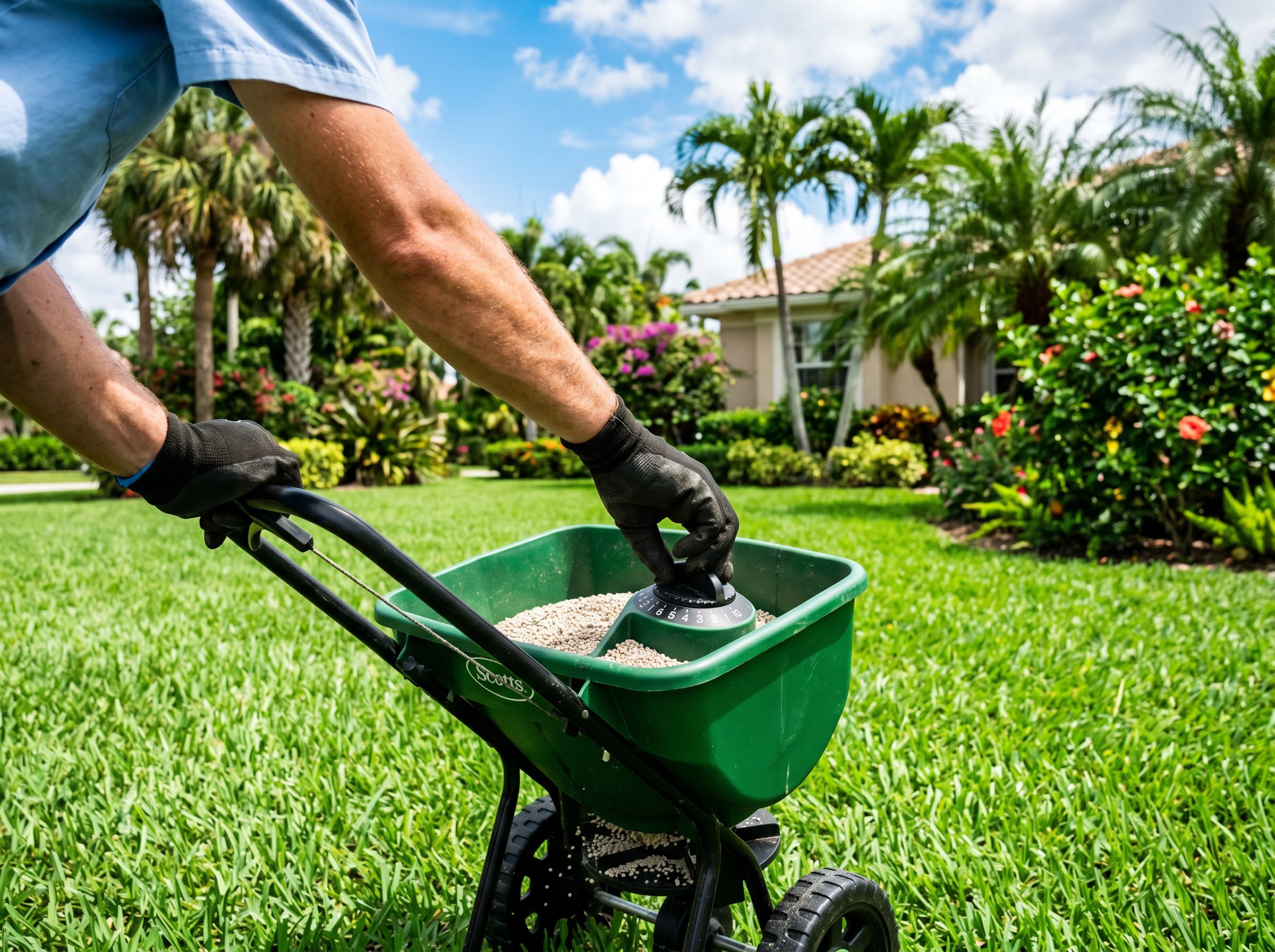
- Use slow-release nitrogen formulations to prevent burn and runoff
- Skip fertilizing during peak summer rainfall (July-August) in most Florida regions
- Always follow local ordinances regarding fertilizer blackout periods
Florida's subtropical climate and warm-season grass dominance create unique fertilization needs compared to northern states. With year-round growing conditions in southern zones and brief winter dormancy in northern Florida, timing your lawn fertilizer schedule Florida correctly maximizes grass health while protecting water quality[3].
When Should I Start Fertilizing My Florida Lawn?
Begin fertilizing Florida lawns in early March when soil temperatures consistently reach 65°F and grass begins active growth[1]. In south Florida (zones 10a-11a), this typically occurs in late February to early March, while north Florida (zones 8a-9b) should wait until mid-March[4].
St. Augustinegrass, Florida's most popular turfgrass, responds best to early spring fertilization when new growth appears. Bahiagrass requires less frequent feeding but follows the same March start date[5]. Zoysiagrass and Bermudagrass, being more cold-sensitive, may delay breaking dormancy until soil temperatures stabilize.
Watch for these signs that your grass is ready for fertilizer:
- New green growth appearing
- Soil temperature reaching 65°F consistently
- Daytime temperatures above 70°F for several consecutive days
What Is the Ideal Florida Fertilizer Application Schedule?
Apply fertilizer 4-6 times per year following this Florida-specific timeline[6]:
March (Early Spring Application)
Apply the first fertilizer when grass breaks dormancy. Use a complete fertilizer with nitrogen, phosphorus, and potassium plus micronutrients[7]. This application jumpstarts growth after winter dormancy.
May (Late Spring Application)
Second application supports vigorous spring growth and helps establish strong root systems before summer stress. Focus on slow-release nitrogen to provide sustained feeding[2].
September (Early Fall Application)
Critical application for recovery from summer stress. Florida's warm fall weather extends the growing season, making September fertilization essential for thick, healthy turf[8].
November (Late Fall Application)
Final application of the year helps grass store nutrients for winter and ensures strong spring emergence. Reduce nitrogen rates compared to growing season applications[6].
Optional June and August Applications
High-maintenance lawns may benefit from additional light applications, but avoid fertilizing during peak summer rainfall periods when nutrients wash away[3].
How Much Fertilizer Should I Apply to Florida Grass Types?
Fertilizer rates vary significantly between Florida's common grass types[1]:
St. Augustinegrass
Apply 4-6 pounds of nitrogen per 1,000 square feet annually. This heavy feeder requires regular nutrition to maintain its lush appearance and compete with weeds like dollarweed and crabgrass[9].
Bahiagrass
Use only 2-3 pounds of nitrogen per 1,000 square feet annually. Over-fertilizing Bahiagrass increases susceptibility to diseases like large patch and attracts pests including chinch bugs[5].
Zoysiagrass
Apply 2-4 pounds of nitrogen per 1,000 square feet annually. This moderate feeder performs well with less fertilizer while maintaining excellent drought tolerance[10].
Bermudagrass
Requires 3-5 pounds of nitrogen per 1,000 square feet annually. Higher maintenance varieties may need upper-range applications for optimal density and color[4].
Always use slow-release nitrogen sources comprising at least 50% of total nitrogen content. This prevents burning during Florida's hot, humid summers and reduces environmental impact[2].
What Fertilizer Restrictions Apply in Florida?
Many Florida municipalities enforce fertilizer ordinances restricting summer applications due to water quality concerns[3]. Common restrictions include:
Summer Blackout Periods
Most coastal counties prohibit fertilizer application from June 1 through September 30 to prevent nutrient runoff during heavy summer rainfall[8]. Check local ordinances before applying summer fertilizer.
Nitrogen and Phosphorus Limits
Many areas restrict phosphorus applications unless soil tests indicate deficiency. Total nitrogen rates may be capped at specific amounts per application[7].
Setback Requirements
Maintain 10-15 foot buffers from water bodies, storm drains, and wetlands when applying fertilizer. Use deflector shields on spreaders near these areas[11].
Application Weather Restrictions
Avoid fertilizing before expected rainfall exceeding 2 inches or during drought conditions when grass cannot utilize nutrients effectively[10].
Contact your county extension office to verify local fertilizer ordinances before creating your application schedule.
Conclusion
Successful Florida lawn fertilization requires understanding your specific grass type, local climate zone, and municipal regulations. Start applications in March, focus on slow-release nitrogen formulations, and respect summer blackout periods to maintain healthy turf while protecting water quality. Monitor your grass response and adjust timing based on local growing conditions and rainfall patterns. For personalized recommendations, contact your local UF/IFAS Extension office or conduct a soil test to determine specific nutrient needs.