
Quick Answer: The best time to plant warm-season grass seed in Florida is during late spring through early fall (April through September), when soil temperatures consistently stay above 70°F. However, most Florida homeowners should consider sod or plugs instead of seeding, as many popular grasses like St. Augustine don't produce viable seed.
Key Takeaways
- Plant warm-season grass seed between April and September when soil temperatures exceed 70°F
- St. Augustinegrass and many Zoysia varieties require sod or plugs rather than seeding
- Bahiagrass and Bermudagrass are the most successful grasses to establish from seed in Florida
- Northern Florida (zones 8a-8b) has a slightly shorter planting window than southern regions
- Avoid planting during Florida's dry season (November through March) or peak summer stress periods
Florida's subtropical to tropical climate creates unique challenges for grass establishment that differ significantly from northern states. With year-round warmth, high humidity, and distinct wet and dry seasons, timing your grass planting correctly is crucial for success in the Sunshine State[1].
What's the Best Season to Plant Grass Seed in Florida?
The optimal planting window for grass seed in Florida spans from April through September, with late spring (April-May) and early fall (September) offering the best conditions[1][2]. During these periods, soil temperatures remain consistently above 70°F while avoiding the extreme heat stress of mid-summer.
In northern Florida (zones 8a-8b), target April through early September for seeding. The slightly cooler winters in areas like Tallahassee and Jacksonville create a narrower window compared to central and southern regions[2]. South Florida homeowners in zones 9b-11a can extend planting into October due to consistently warm temperatures.
The timing aligns with Florida's natural rainfall patterns, as late spring and early fall often provide adequate moisture without the intense summer storms that can wash away newly planted seed[3].
Which Florida Grass Types Can You Actually Grow from Seed?
Unlike many northern states where seeding is standard practice, Florida's most popular grass varieties have significant limitations when it comes to seed establishment[4]. Understanding which grasses work from seed versus requiring sod or plugs will save you time and money.
Successful Seed Options:
- Bahiagrass: The most reliable seeded grass for Florida, extremely drought-tolerant and low-maintenance[1][5]
- Common Bermudagrass: Germinates well from seed, though hybrid varieties require sod
- Centipedegrass: Works from seed in northern Florida areas with slightly acidic soil
Requires Sod or Plugs:
- St. Augustinegrass: Does not produce viable seed; must use sod, plugs, or sprigs
- Hybrid Zoysia varieties: Most improved cultivars are sterile and require vegetative establishment
- Seashore Paspalum: Typically established through sod for coastal applications
The UF/IFAS Extension strongly recommends sod installation for St. Augustinegrass, Florida's most popular lawn type, due to its superior establishment rate and immediate weed suppression[1].
How Do I Prepare and Plant Grass Seed Successfully?
Proper soil preparation is critical in Florida's sandy soils and high-humidity environment. Start by testing your soil pH, as most warm-season grasses prefer slightly acidic to neutral conditions (6.0-7.0 pH)[6].
Site Preparation Steps:
- Remove existing vegetation and weeds using a non-selective herbicide 2-3 weeks before planting
- Till the top 4-6 inches of soil, incorporating organic matter to improve water retention in sandy soils
- Level and rake the seedbed, removing rocks and debris
- Apply a starter fertilizer with higher phosphorus content (18-24-12 or 16-20-10 ratio) to encourage root development[4]
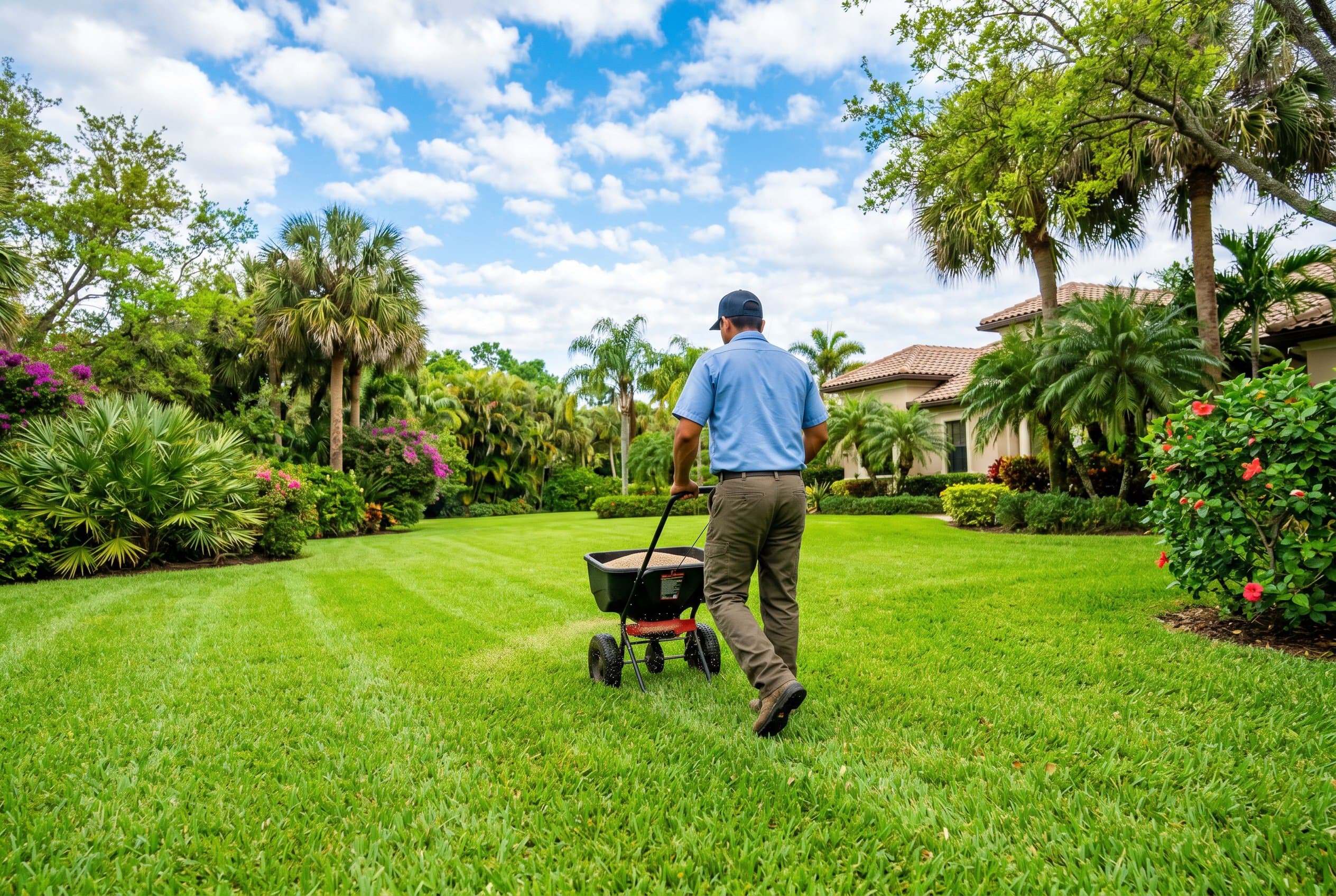
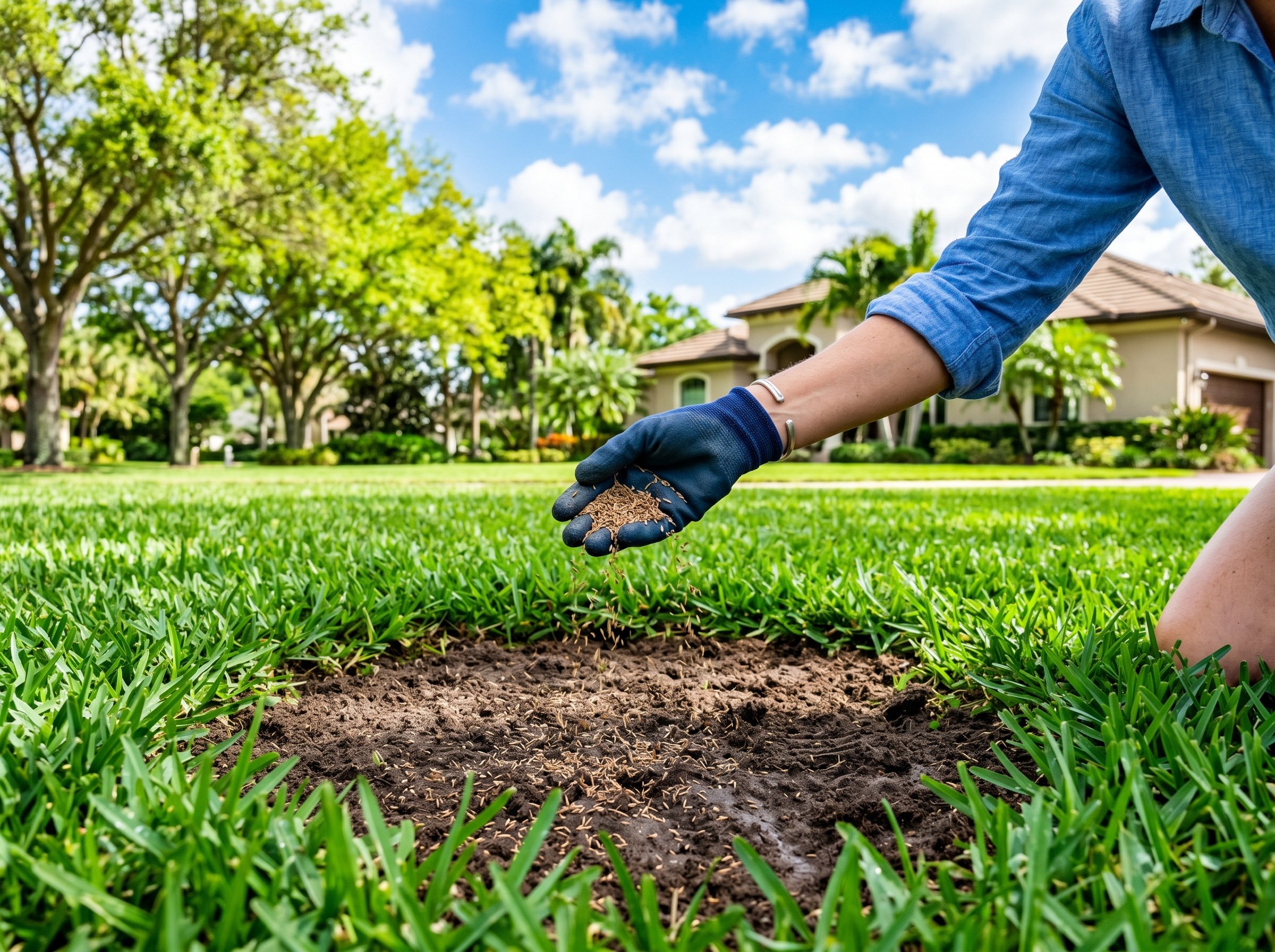
Seeding Process: Sow Bahiagrass at 5-10 pounds per 1,000 square feet, or Bermudagrass at 1-2 pounds per 1,000 square feet[5]. Use a broadcast spreader for even distribution, then lightly rake to ensure seed-to-soil contact.
Maintain consistent moisture for the first 2-3 weeks, watering lightly 2-3 times daily. Florida's high humidity helps, but avoid overwatering which can promote fungal diseases like Pythium that thrive in warm, wet conditions[3].
When Should I Avoid Planting Grass Seed in Florida?
Several periods present challenges for successful grass establishment in Florida's unique climate. Avoid seeding during these times to maximize your success rate[2].
Poor Timing Windows:
- Late fall through early spring (November-March): Cooler soil temperatures slow germination, and this coincides with Florida's dry season
- Peak summer (July-August): Extreme heat stress and intense afternoon thunderstorms can damage seedlings
- Hurricane season peak (August-October): Weather volatility and potential storm damage create establishment risks[3]
Additionally, avoid planting immediately before applying pre-emergent herbicides for crabgrass control, typically needed in February (south Florida) to March (north Florida)[6]. Pre-emergent herbicides prevent both weed and grass seed germination.
Consider your irrigation capabilities as well. New seedlings require consistent moisture, which can be challenging during Florida's dry season when water restrictions may be in effect.
Making the Right Choice for Your Florida Lawn
While seeding remains an option for certain grass types, most Florida homeowners achieve better results with sod installation or plugging, especially for St. Augustinegrass lawns[1]. If you choose to seed, focus on Bahiagrass for low-maintenance areas or Bermudagrass for higher-traffic zones.
Time your planting for late spring or early fall, prepare your soil thoroughly, and maintain consistent moisture during establishment. Consider consulting with your local UF/IFAS Extension office for region-specific recommendations based on your exact location and soil conditions[2].
Remember that Florida's year-round growing season means you have multiple opportunities to establish your lawn successfully, unlike northern climates with narrow planting windows.