Quick Answer
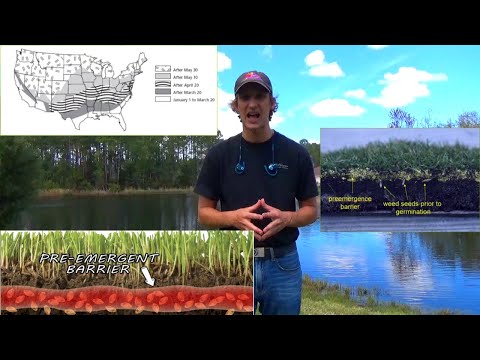
Apply crabgrass preemergent in Florida between mid-February (South Florida) and early March (North Florida) when soil temperatures consistently reach 65-70°F[1]. This timing prevents crabgrass seeds from germinating in your St. Augustine, Bahia, Zoysia, or Bermuda grass lawns before Florida's warm, humid spring triggers weed growth.
Key Takeaways
- South Florida (zones 9b-11a): Apply preemergent mid to late February
- North Florida (zones 8a-9a): Apply preemergent early to mid-March
- Soil temperature, not calendar date, determines optimal timing
- Granular formulations work best in Florida's high humidity and frequent rainfall
- Don't overseed warm-season grasses for 6-8 weeks after application
Knowing when to apply crabgrass preemergent Florida homeowners need is crucial because the state's subtropical to tropical climate creates ideal conditions for crabgrass germination. With high humidity, abundant rainfall (54 inches annually), and mild winters that rarely stress this persistent weed, proper timing becomes essential[2]. Understanding your specific hardiness zone and grass type is crucial for successful crabgrass prevention in the Sunshine State.
What is the Best Timing for Crabgrass Preemergent in Different Florida Zones?
Florida's diverse climate zones require different application schedules. The University of Florida IFAS Extension recommends zone-specific timing based on soil temperature patterns[1].
South Florida (Zones 10a-11a)
In Miami-Dade, Broward, and Palm Beach counties, apply preemergent between February 10-25. These areas experience minimal winter dormancy, and soil temperatures reach the critical 65°F threshold earlier[3].
Central Florida (Zones 9b-10a)
From Orlando to Tampa, target mid-February to early March application. This region's brief winter allows soil to warm quickly once temperatures rise[1].
North Florida (Zones 8a-9a)
In Jacksonville, Tallahassee, and Gainesville areas, apply between March 1-15. These zones experience longer winter dormancy periods, delaying soil warming[4].
How Do You Monitor Soil Temperature for Crabgrass Preemergent Application?
Soil temperature, not air temperature, determines crabgrass germination timing. Use a soil thermometer to measure temperature at 2-4 inch depth for three consecutive days[2].
Critical Temperature Thresholds
Crabgrass seeds germinate when soil temperatures consistently reach 65-70°F[5]. In Florida's sandy soils common to St. Augustine and Bahia grass lawns, temperatures fluctuate more rapidly than clay soils.
Weather Pattern Considerations
Florida's unpredictable late winter weather can cause soil temperature swings. Monitor 7-day forecasts and avoid application before cold snaps that could delay crabgrass germination and reduce preemergent effectiveness[3].
Which Preemergent Products Work Best for Florida Grass Types?
Florida's primary warm-season grasses—St. Augustine, Bahia, Zoysia, and Bermuda—tolerate most preemergent herbicides well when applied correctly[6].
Application Method Selection
Granular preemergents work better than liquid formulations in Florida's high humidity environment. Granules resist washoff during frequent spring thunderstorms and provide more consistent coverage[1].
Grass-Specific Considerations
St. Augustinegrass: Most tolerant to preemergents; can handle full-rate applications Bahiagrass: Hardy grass that tolerates standard rates well Zoysiagrass: Use reduced rates during establishment year Bermudagrass: Highly tolerant; can receive full-rate applications Centipedegrass (North Florida): Requires reduced rates due to sensitivity[4]
Watering Requirements
Activate granular preemergents with 0.5-1 inch of water immediately after application. Florida's afternoon thunderstorms often provide natural activation, but don't rely solely on rainfall[5].
What Should Florida Homeowners Avoid When Applying Preemergent?
Common mistakes reduce preemergent effectiveness and can damage Florida's warm-season grasses.
Timing Errors
Applying too late allows crabgrass seeds to germinate before herbicide activation. Applying too early wastes product and may not provide season-long control through Florida's extended growing season[6].
Overseeding Conflicts
Don't overseed warm-season grasses for 6-8 weeks after preemergent application[3]. However, winter ryegrass overseeding (October-November) won't conflict with February-March preemergent timing.
Coverage Issues
Florida's sandy soils require even distribution to prevent breakthrough. Use a calibrated spreader and apply in perpendicular patterns for uniform coverage across St. Augustine or Bahia grass lawns[1].
Irrigation Management
Excessive watering after application can leach preemergents below the seed germination zone in Florida's sandy soils[2]. Light, frequent irrigation works better than heavy, infrequent watering.
Conclusion
Successful crabgrass prevention in Florida requires precise timing based on your hardiness zone and soil temperature monitoring. Apply preemergents in mid-February for South Florida and early March for North Florida, using granular formulations that withstand the state's high humidity and frequent rainfall. Monitor soil temperatures consistently, choose appropriate rates for your specific grass type, and activate products properly with irrigation. Following these Florida-specific guidelines will help maintain healthy St. Augustine, Bahia, Zoysia, or Bermuda grass lawns free from crabgrass competition throughout the growing season.