
Quick Answer
Tennessee lawns face unique challenges due to the state's transition zone climate, with brown patch disease, crabgrass invasions, and white grub damage being the most common issues affecting tall fescue and bermudagrass lawns[1]. The state's high humidity, 52 inches of annual rainfall, and temperature swings between USDA zones 6a-7b create perfect conditions for fungal diseases and pest problems[2].
Key Takeaways
- Brown patch thrives in Tennessee's humid summers, especially affecting tall fescue lawns
- Crabgrass prevention requires March pre-emergent applications before soil temperatures reach 55°F
- White grubs cause the most lawn damage from July through September in Tennessee
- Fall armyworms can destroy bermudagrass lawns within days during late summer
- Proper timing of treatments is critical due to Tennessee's transition zone climate
Tennessee's position in the transition zone creates a perfect storm for lawn problems. The combination of hot, humid summers averaging 89°F and moderate winters with lows around 28°F stresses both cool-season and warm-season grasses, making them vulnerable to diseases, pests, and weeds that thrive in these conditions.
What Fungal Diseases Attack Tennessee Lawns?
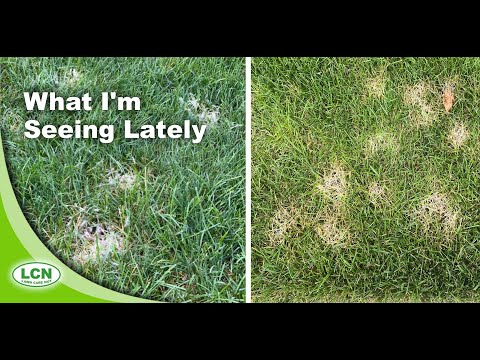
Brown patch disease tops the list of fungal problems for Tennessee homeowners, particularly those with tall fescue lawns[1]. This disease thrives when nighttime temperatures stay above 70°F with high humidity – conditions Tennessee experiences from June through August.
Dollar spot appears as silver dollar-sized brown patches, especially on bermudagrass and zoysiagrass during periods of drought stress followed by heavy dew[3]. Gray leaf spot targets tall fescue during hot, humid weather, creating distinctive lesions with gray centers and dark borders.
For warm-season grasses, spring dead spot affects bermudagrass as it emerges from dormancy in March and April. The UT Extension recommends avoiding excessive nitrogen fertilization in fall to prevent this disease[1].
Prevention focuses on improving air circulation, watering early morning (6-8 AM), and applying fungicides preventively during high-risk periods from May through September.
Which Weeds Cause the Biggest Problems in Tennessee?
Crabgrass dominates Tennessee weed problems because the state's climate provides ideal germination conditions when soil temperatures reach 55°F in March[4]. This annual grassy weed competes aggressively with desirable grasses during summer heat stress periods.
Nutsedge thrives in Tennessee's wet conditions, particularly in areas with poor drainage. This perennial sedge grows faster than grass and requires specialized herbicides containing halosulfuron or sulfentrazone[1].
Winter annuals like henbit and chickweed germinate in fall and become noticeable problems in early spring before desired grasses actively grow. Dandelions establish easily in thin lawn areas, which are common in Tennessee due to disease and pest pressure.
Successful weed control requires March pre-emergent applications for summer annuals and September applications for winter weeds. Post-emergent treatments work best when weeds are young and actively growing.
What Insects and Pests Damage Tennessee Lawns?
White grubs cause extensive damage to Tennessee lawns, with peak feeding occurring from July through September[5]. These C-shaped larvae feed on grass roots, creating brown, spongy areas that peel back like carpet. Adult beetles emerge in May and June to lay eggs.
Fall armyworms present a serious threat to bermudagrass and zoysiagrass lawns during late summer. These caterpillars can destroy large lawn areas within 3-5 days during their peak activity period from August through October[1].
Sod webworms create small brown patches surrounded by green grass, with damage most visible during July and August heat stress. Billbugs target tall fescue by boring into stems and crowns, weakening plants during summer stress periods.
Fire ants pose problems primarily in western Tennessee, building unsightly mounds and delivering painful stings. The UT Extension recommends two-step control programs combining broadcast baits with individual mound treatments[1].
Monitoring involves regular lawn inspections and noting adult insect activity. Treatment timing depends on pest life cycles, with preventive grub control applied in May and curative treatments in August.
How Do Tennessee's Climate Conditions Create Lawn Stress?
Tennessee's transition zone location subjects lawns to temperature extremes that stress both cool-season and warm-season grasses[6]. Cool-season tall fescue struggles during summer heat, while warm-season bermudagrass faces winter injury in eastern mountain regions.
The state's 52 inches of annual rainfall creates periods of drought stress followed by excessive moisture, promoting root rot diseases like pythium. High humidity levels above 80% during summer nights encourage fungal disease development.
Soil compaction becomes severe due to wet conditions followed by foot traffic on saturated soils. Compacted soils reduce root development and increase disease susceptibility.
Temperature fluctuations stress grass plants, making them susceptible to pest and disease problems. Eastern Tennessee's cooler temperatures in USDA zone 6a create different challenges than western Tennessee's zone 7b conditions.
Managing climate stress requires proper grass selection, core aeration in September-October for cool-season grasses, and irrigation management during dry periods.
Conclusion
Tennessee lawn problems stem from the state's challenging transition zone climate that creates perfect conditions for diseases, pests, and weeds. Success requires understanding timing specific to Tennessee's growing conditions and implementing preventive treatments before problems become severe.
Start with proper grass selection for your specific location within Tennessee's climate zones. Apply pre-emergent herbicides in March, monitor for pest activity during summer months, and maintain proper cultural practices year-round. The UT Extension provides region-specific recommendations that address Tennessee's unique lawn care challenges.