
Quick Answer
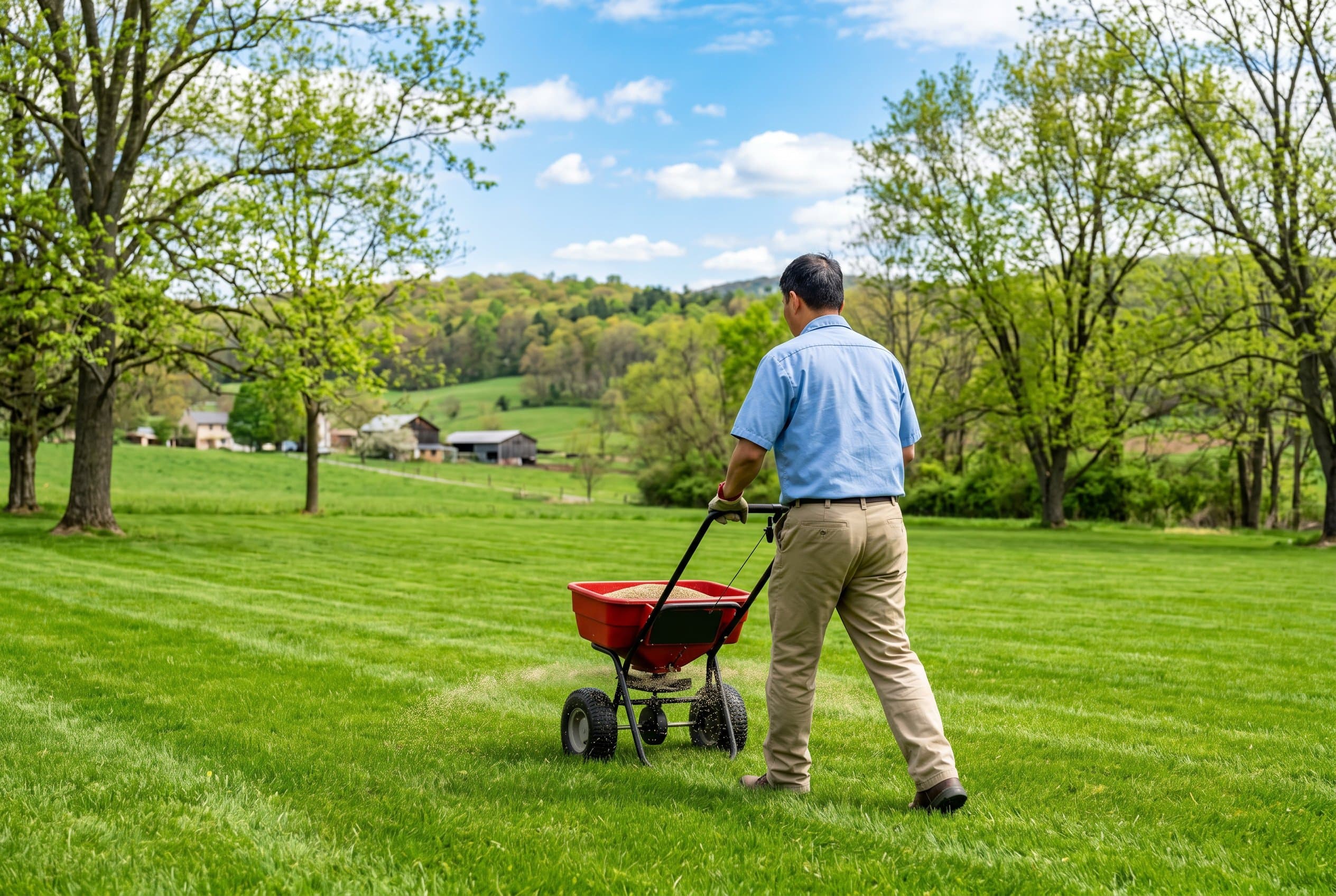
The best time to plant grass seed in Pennsylvania is late August through mid-September, when soil temperatures cool to between 50–65°F and fall rains support germination. Spring planting (mid-April through May) is a viable second option, though it carries more risk from summer heat, drought, and crabgrass competition. For most Pennsylvania homeowners, fall planting produces the strongest, most disease-resistant lawns.
Key Takeaways:
- Late August to mid-September is the optimal planting window for Pennsylvania's cool-season grasses
- Soil temperature — not air temperature — is the most reliable planting trigger; target 50–65°F
- Kentucky Bluegrass, Tall Fescue, Perennial Ryegrass, and Fine Fescue are the top choices for Pennsylvania lawns
- Spring seeding requires skipping pre-emergent herbicides, which can conflict with crabgrass control
- Penn State Extension recommends fall overseeding paired with core aeration for best results
Introduction
Knowing when to plant grass seed in Pennsylvania is trickier than it looks. The state spans USDA Hardiness Zones 5b through 7a, meaning a homeowner in Erie faces a shorter growing window than someone in Philadelphia[1]. Add in Pennsylvania's humid continental climate — with average annual rainfall of 42 inches, summer highs near 83°F, and winter lows that can dip to 22°F in mountain regions — and you have a lawn environment that rewards careful planning.
Plant too early in spring and your seedlings battle heat stress and Brown patch disease. Plant too late in fall and young grass won't establish roots before the ground freezes. This guide cuts through the guesswork with timing recommendations built specifically for Pennsylvania's climate zones and cool-season grasses.
When to Plant Grass Seed in Pennsylvania: Best Timing by Season
For Pennsylvania homeowners, late August through mid-September is the prime seeding window[1]. At this point, soil temperatures are dropping from summer highs into the ideal germination range of 50–65°F, nights are cooler, and fall rainfall helps keep new seedlings moist without supplemental irrigation.
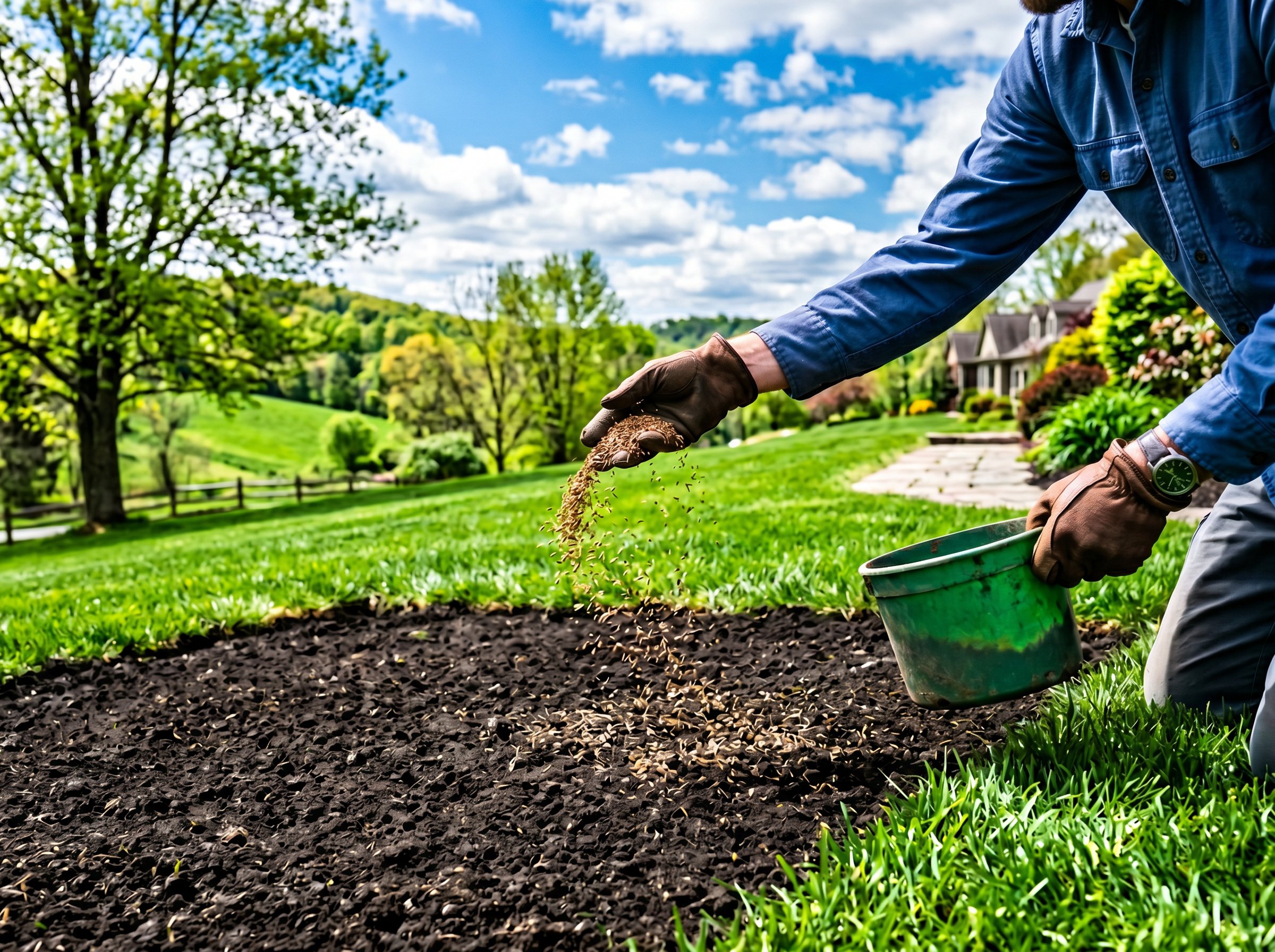
Just as importantly, cool-season grasses — the only grasses well-suited to Pennsylvania — enter a natural growth surge in fall, giving new seed the best possible start[2]. This window also aligns with the recommended core aeration period of August through October, with September being the prime month. Aerating before overseeding improves seed-to-soil contact, reduces compaction from summer foot traffic, and opens channels for water and nutrients — all of which dramatically improve germination rates.
What About Spring Planting?
Spring seeding (mid-April through May) is Pennsylvania's second-best option, but it comes with real trade-offs[3]. New seedlings have only 6–8 weeks to establish before summer heat arrives. Pennsylvania's moderate-to-high summer humidity also creates ideal conditions for Brown patch and Dollar spot fungal diseases, which can devastate young, shallow-rooted grass[4].
There's also a weed timing conflict: pre-emergent herbicides applied in late March to early April to block crabgrass will also prevent grass seed from germinating. If you seed in spring, you must choose between crabgrass control and new grass establishment[1]. For most homeowners, fall seeding sidesteps this problem entirely.
What Grass Seed Should Pennsylvania Homeowners Plant?
All four primary cool-season grasses perform well in Pennsylvania, but each has a distinct role[2]:
- Tall Fescue — The most adaptable choice for Pennsylvania. Drought-tolerant, disease-resistant, and performs well in both sun and partial shade. Ideal for homeowners across Zones 5b–7a who want a low-maintenance lawn[5].
- Kentucky Bluegrass — Produces a dense, attractive turf with excellent cold hardiness, making it popular in central and western Pennsylvania. Slower to germinate (14–21 days) and requires more maintenance than fescues[1].
- Perennial Ryegrass — Fast-germinating (5–7 days), making it excellent for quick repairs or overseeding blends. Often mixed with Kentucky Bluegrass to speed up establishment[3].
- Fine Fescue / Creeping Red Fescue — The top choice for shaded areas under Pennsylvania's many mature trees. Low fertility needs and good tolerance for dry, shaded conditions[1].
Matching Grass to Your Pennsylvania Region
Zone matters when selecting seed. In the cooler mountain counties (Zone 5b–6a) of central and northern Pennsylvania, Kentucky Bluegrass and Tall Fescue blends thrive and offer strong snow mold resistance for harsh winters[4]. In the warmer southeastern corner of the state (Zone 6b–7a), Tall Fescue performs especially well through longer, hotter summers.
Homeowners statewide can rely on Penn State Extension's variety trial data to select the best-performing cultivars for their specific county[1].
How Pests, Weeds, and Disease Affect Planting Timing in Pennsylvania
Timing your seeding isn't just about temperature — it's about outsmarting Pennsylvania's most common lawn threats.
Pests to Watch For
White grubs are the most damaging lawn pest in Pennsylvania, feeding on grass roots through late summer and fall[6]. If your lawn has a history of grub damage, inspect and treat before seeding — new seedlings with damaged root zones won't survive. Sod webworms and Billbugs also peak in late summer, so monitoring in August before you seed is a smart precaution.
Weed Competition
Crabgrass is the number one weed threat to spring-seeded lawns in Pennsylvania[1]. Since pre-emergents that block crabgrass also inhibit grass germination, spring seeders face a difficult choice. Fall seeding avoids this entirely — crabgrass is an annual that dies with the first frost, leaving your new grass to establish without competition.
Dandelions, broadleaf plantain, and ground ivy can also crowd out thin, newly seeded turf. Avoid applying broadleaf herbicides within 4–6 weeks of seeding in either season[5].
Disease Risk
Pennsylvania's humid summers make Brown patch, Red thread, and Summer patch common problems in stressed or thin lawns[4]. Fall seeding gives cool-season grasses time to develop deep root systems before facing summer disease pressure the following year — another strong advantage over spring planting.
Pennsylvania Grass Seeding Timeline at a Glance
| Season | Window | Risk Level | Best For |
|---|---|---|---|
| Fall (Primary) | Late Aug – Mid-Sept | Low | New lawns, overseeding, renovation |
| Spring (Secondary) | Mid-April – May | Moderate | Spot repairs, thin areas |
| Summer | June – Aug | High | Not recommended |
| Winter | Nov – March | Very High | Not recommended |
When to Plant Grass Seed in Pennsylvania: Your Action Plan
For the best results, target the late August to mid-September window, aerate first, and choose a grass species matched to your Pennsylvania region and sun conditions. If you must seed in spring, wait until mid-April, skip the pre-emergent herbicide, and plan to water consistently through summer establishment[2].
Here are your next steps:
- Check soil temperature with an inexpensive soil thermometer starting in late August; seed when it reads 50–65°F
- Core aerate before overseeding for dramatically better germination
- Select a grass variety suited to your zone — Tall Fescue for versatility, Kentucky Bluegrass for cold northern regions, Fine Fescue for shade
- Scout for white grubs in late August before seeding[6]
- Visit Penn State Extension at extension.psu.edu for county-specific variety recommendations and seeding rate guides
With the right timing and the right seed, Pennsylvania homeowners can grow thick, healthy, cool-season turf that holds up through hot, humid summers and cold, snowy winters alike.