
Quick Answer
Fall is the most critical season for Pennsylvania lawn care, with prime overseeding windows from late August through September and winterizer fertilizing through November[1]. Pennsylvania's cool-season grasses like Kentucky Bluegrass and Tall Fescue thrive in fall's moderate temperatures and increased rainfall, making it the ideal time for major lawn improvements[2].
Key Takeaways
- Core aerate and overseed Pennsylvania lawns between late August and mid-September for optimal germination
- Apply winterizer fertilizer by November to prepare cool-season grasses for Pennsylvania's harsh winters
- Control white grubs and prevent snow mold disease with targeted fall treatments
- Gradually lower mowing heights through fall, with final cuts in November before dormancy
- Take advantage of fall's natural conditions to establish new grass before winter dormancy
Pennsylvania's diverse climate zones (USDA 5b-7a) and cool-season grass dominance make fall the season that determines next year's lawn success. From the mountains where winter arrives early to southeastern counties with extended growing seasons, timing your fall lawn care correctly is essential for surviving Pennsylvania's cold, snowy winters.
What Makes Fall Lawn Care Critical in Pennsylvania?
Fall represents the peak growing season for Pennsylvania's cool-season grasses including Kentucky Bluegrass, Tall Fescue, Perennial Ryegrass, and Fine Fescue[1]. As summer heat subsides and Pennsylvania's average 42 inches of annual rainfall increases, grass roots experience optimal growing conditions[3].
The state's humid continental climate creates perfect fall conditions with moderate temperatures and reduced disease pressure from summer ailments like brown patch and dollar spot[4]. This window allows Pennsylvania homeowners to address summer damage, establish new grass, and build root strength before December dormancy begins.
Pennsylvania's mountain regions in zones 5b-6a typically see earlier frost dates, requiring accelerated fall schedules, while southeastern areas in zone 7a enjoy extended growing windows through late October[2].
When Should You Overseed and Aerate Your Pennsylvania Lawn?
Core aeration and overseeding represent fall's most important Pennsylvania lawn care tasks, with prime timing from late August through mid-September across most of the state[1]. This timing allows 4-6 weeks of growing time before Pennsylvania's first frost typically arrives in mid to late October.
Begin with core aeration to relieve soil compaction common in Pennsylvania's clay-heavy soils. Remove cores every 2-3 inches across the lawn, focusing on high-traffic areas where compaction restricts root growth[5].
Immediately follow aeration with overseeding using Pennsylvania-appropriate varieties:
- Kentucky Bluegrass: Excellent for full sun areas, self-repairing capability
- Tall Fescue: Drought tolerance for southern Pennsylvania zones
- Perennial Ryegrass: Quick establishment, ideal for high-traffic areas
- Fine Fescue: Shade tolerance for wooded Pennsylvania properties[1]
Apply starter fertilizer at seeding to promote rapid establishment before winter. Maintain consistent soil moisture for 2-3 weeks until germination completes[6].
How Should You Fertilize Pennsylvania Lawns in Fall?
Fall fertilizing in Pennsylvania follows a strategic two-phase approach targeting both active growth and winter preparation[1]. Apply balanced fertilizer (such as 24-5-11) in early September to fuel fall growth and recovery from summer stress.
The critical winterizer application occurs 6-8 weeks before ground freeze, typically mid-October through November depending on your Pennsylvania zone[2]. Use higher-potassium formulations (like 13-2-20) to enhance cold tolerance and disease resistance during Pennsylvania's harsh winters.
Avoid over-fertilizing with nitrogen late in fall, which can stimulate tender growth susceptible to winter injury and snow mold diseases common in Pennsylvania[4]. The winterizer provides sustained nutrition without promoting excessive top growth.
Test soil pH every 2-3 years, as Pennsylvania soils often trend acidic. Apply lime in fall if pH drops below 6.0 for optimal nutrient uptake[1].
What Pest and Disease Issues Should Pennsylvania Homeowners Address in Fall?
Fall pest management in Pennsylvania focuses primarily on white grubs, which peak in damage during September and October as they feed heavily before winter[4]. Apply grub control products by early September for effective control, as larger grubs become harder to eliminate.
Preventive treatments for snow mold become critical in Pennsylvania's northern and mountain regions where snow cover persists for extended periods[1]. Apply fungicide treatments in late fall before the first significant snowfall, particularly in areas with poor drainage or excessive thatch.
Continue monitoring for sod webworms and European crane flies through early fall, as these pests remain active until frost arrives[4]. Address infestations promptly to prevent winter damage to already-stressed grass.
Fall weed control targets perennial weeds like dandelions and ground ivy before they store energy for winter survival. Apply broadleaf herbicides during active growth periods in early fall when temperatures remain above 60°F[6].
Preparing Your Pennsylvania Lawn for Winter Success
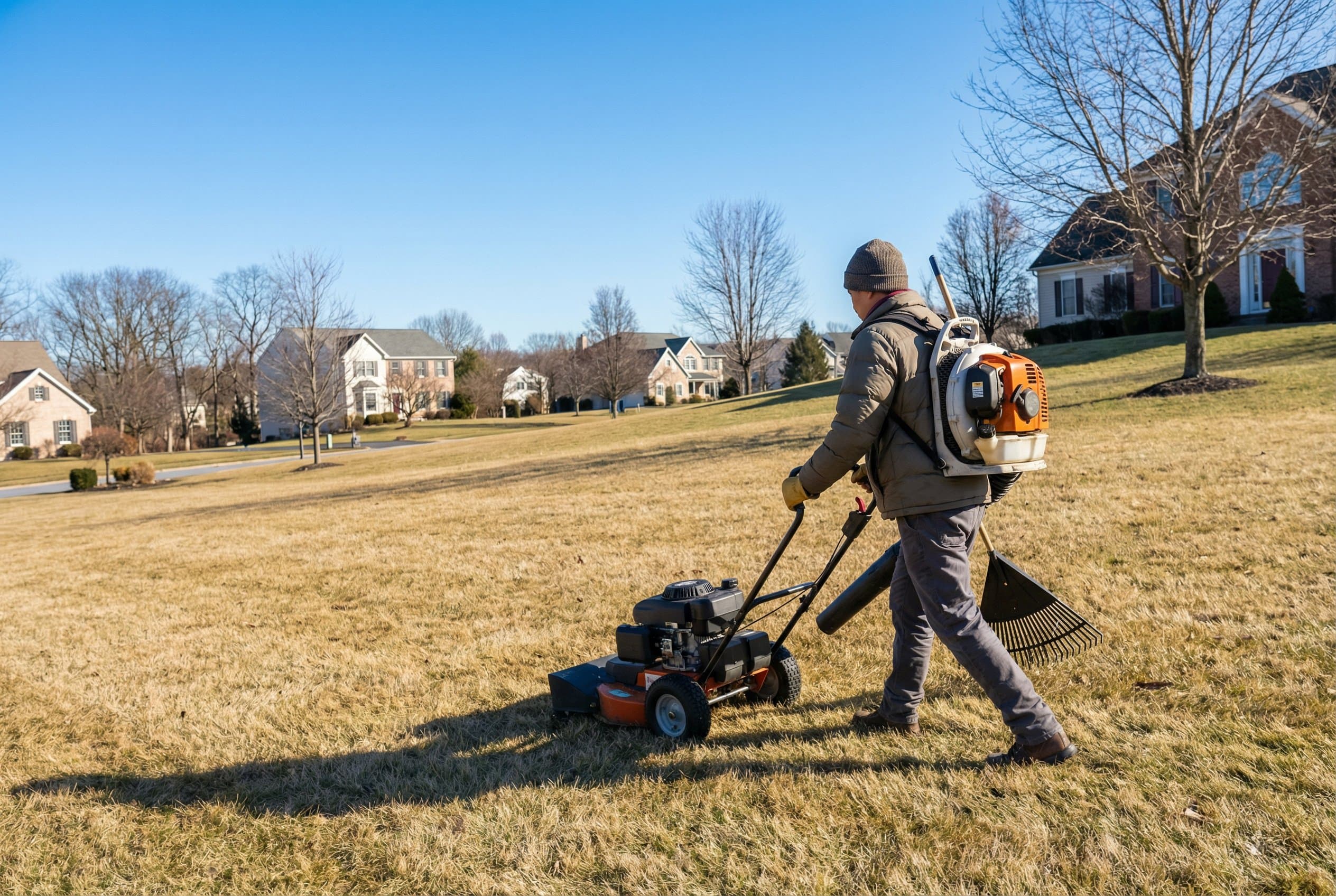
Fall lawn care in Pennsylvania sets the foundation for next year's success through proper preparation for the state's challenging winter conditions. Continue mowing through fall, gradually lowering cutting heights from summer's 3-4 inches to 2.5-3 inches for the final November cut[1].
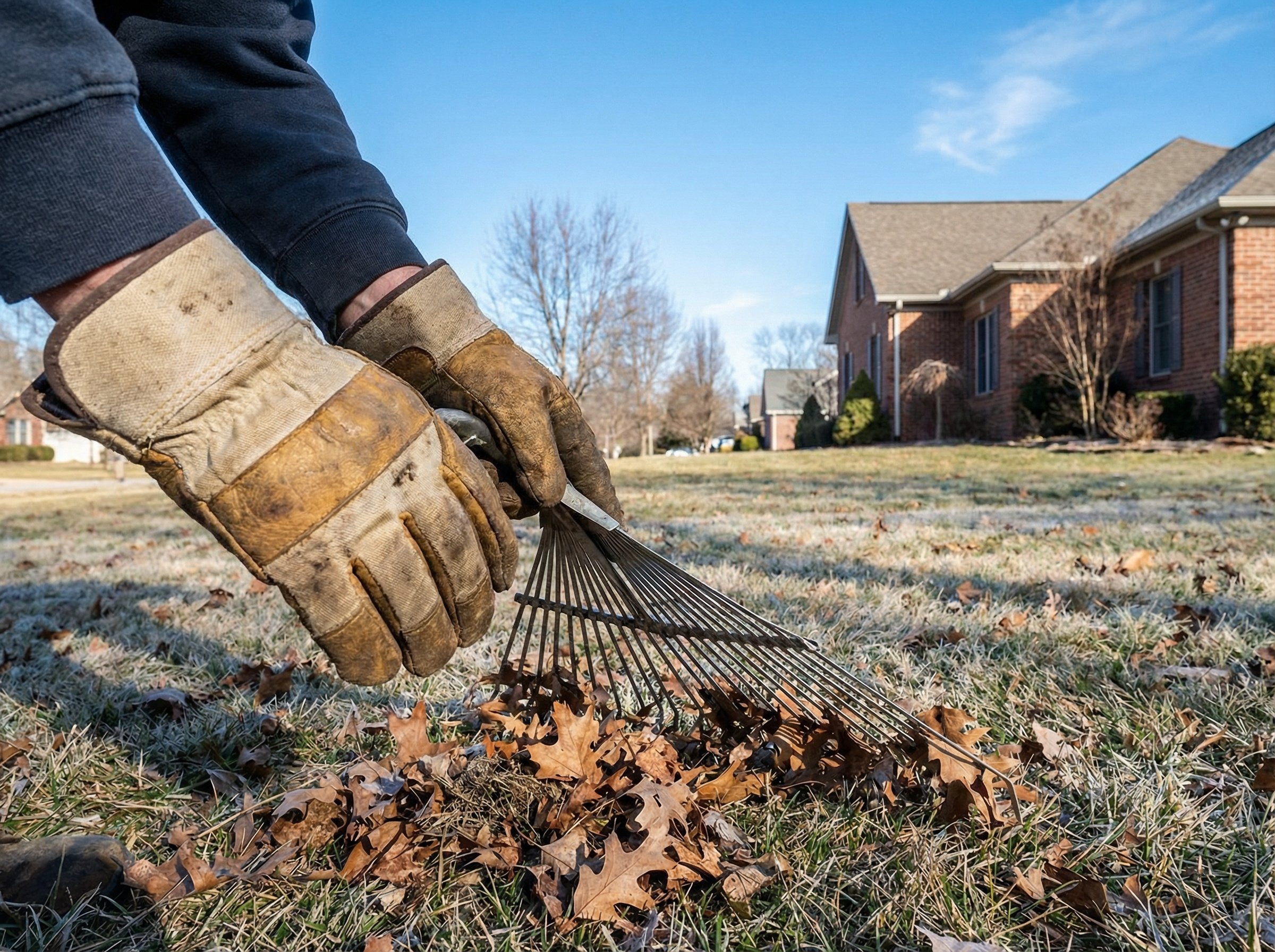
Remove fallen leaves promptly to prevent smothering grass and creating conditions favorable for snow mold development. Mulch moderate leaf loads with your mower, but rake and remove heavy accumulations that block sunlight[2].
Complete final irrigation system winterization before hard freeze to prevent damage from Pennsylvania's subfreezing temperatures that average 22°F in winter[3]. Ensure proper drainage around low-lying areas where ice damage commonly occurs.
By following Pennsylvania-specific timing and treatments, your cool-season lawn will emerge from winter dormancy ready for vigorous spring growth and another successful growing season.