Quick Answer
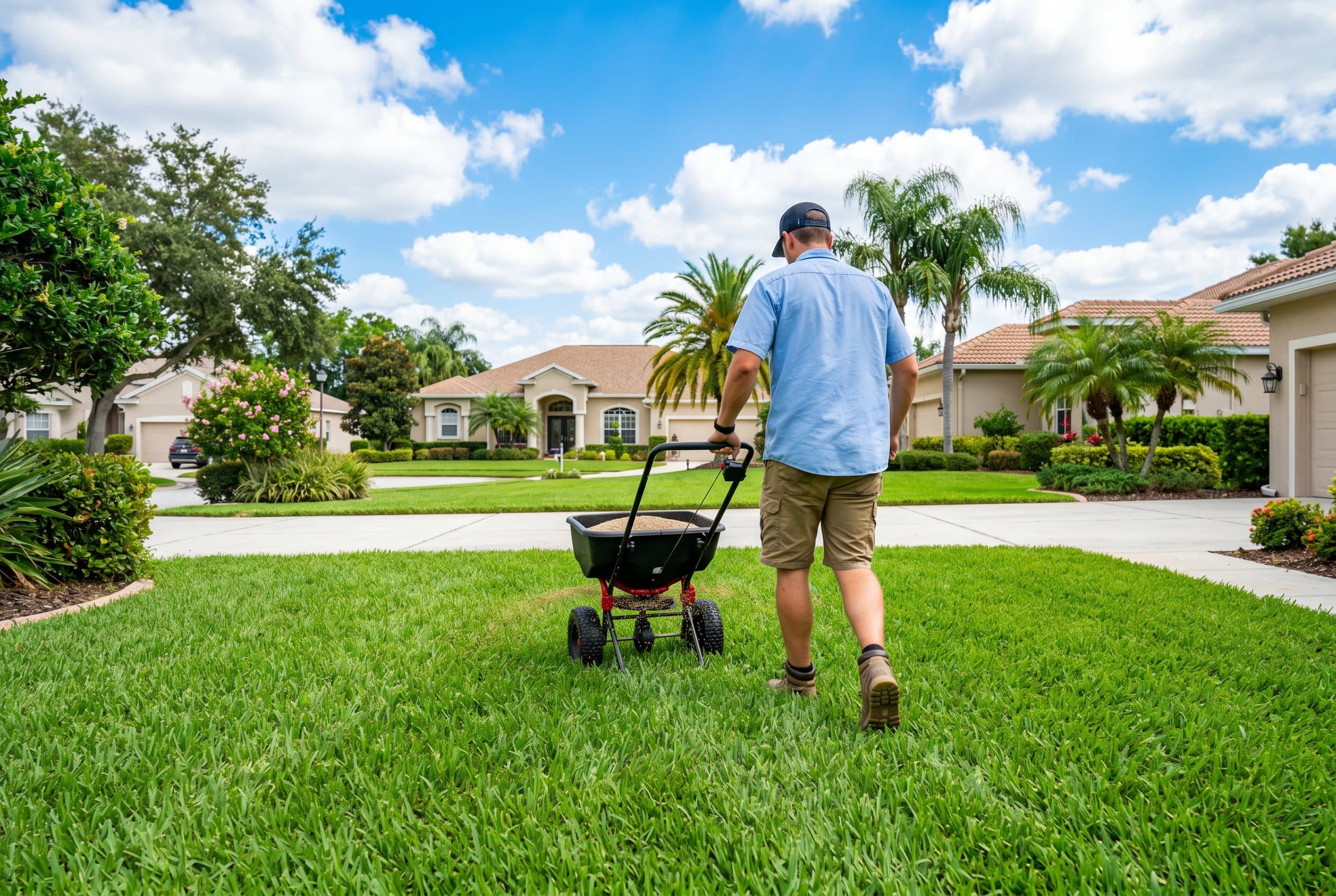
The best time to plant grass seed in Orlando, FL is late April through June, when soil temperatures consistently reach 65–70°F and the risk of frost has completely passed[1]. Orlando's subtropical Zone 9b climate favors warm-season grasses, which need warm soil to germinate successfully. Avoid planting after October — Orlando's average first frost falls around January 12, leaving too little time for new seedlings to establish before cold stress arrives[2].
Key Takeaways
- Late April through June is the ideal grass seed planting window in Orlando, aligned with rising soil temperatures and the onset of the rainy season
- Orlando sits in USDA Hardiness Zone 9b, making warm-season grasses like Bahiagrass and Zoysiagrass the most seed-viable options
- St. Augustinegrass — the most popular lawn grass in Orlando — does not produce viable seed and must be established using sod, plugs, or sprigs
- Orlando's average last frost falls around January 28, so avoid late-fall or winter seeding that could expose new turf to cold damage
- UF/IFAS Extension Orange County is your best local resource for soil testing, variety selection, and planting schedules tailored to Central Florida
Introduction: Why Orlando's Climate Changes Everything
Knowing when to plant grass seed in Orlando is not the same as knowing when to plant it in Atlanta or Charlotte. Orlando's subtropical climate — intense summer heat, 51 inches of annual rainfall, and high year-round humidity — creates a growing environment that rewards the right timing and punishes the wrong one[3]. Neighborhoods like Lake Nona, Dr. Phillips, and Apopka all share the same Zone 9b conditions: long, hot summers, a defined rainy season from June through September, and mild winters with only occasional frost.
Orlando's sandy soils, common throughout Orange County, drain quickly but also dry out fast — meaning new seedlings need consistent moisture during germination. Understanding how frost dates, rainfall patterns, and soil conditions interact is the foundation of any successful lawn-seeding project here.
When to Plant Grass Seed in Orlando: Timing Breakdown
The golden window for seeding warm-season grasses in Orlando runs from late April through June. Here's why that range matters locally.
Soil Temperature Is the Real Trigger
Air temperature is a rough guide, but soil temperature is what actually drives germination[4]. Most warm-season grasses need soil temps of at least 65°F — and ideally 70°F or above — to germinate reliably. In Orlando, soil temperatures typically hit that threshold by late April and stay there through October. You can monitor current soil temps through the Florida Automated Weather Network (FAWN), which provides station data close to Orange County.
Why Late Spring Beats Midsummer
Planting in late April or May gives new grass seedlings 4–6 weeks to establish roots before Orlando's intense July and August heat peaks[1]. Seeding too late in summer means young turf faces peak heat stress right as it's trying to take hold. Seeding in September or October is risky because, while temperatures feel comfortable, the shrinking growing season leaves little time before Orlando's average first frost around January 12[2].
The Rainy Season Advantage
Orlando's rainy season kicks in around June, delivering frequent afternoon thunderstorms that reduce the irrigation burden on newly seeded areas[3]. Timing your seeding to coincide with early rainy season — or just ahead of it — gives your lawn a natural watering assist during the critical germination period.
Which Grasses Can Be Planted from Seed in Orlando?
This is where many Orlando homeowners get tripped up. Not every lawn grass common in Central Florida can be grown from seed.
Bahiagrass: The Easiest Seed Option
Bahiagrass is the most practical seed-grown option for Orlando lawns[5]. It's drought-tolerant, handles Orlando's sandy soils well, and establishes reliably from seed when planted in the late spring window. Pensacola Bahiagrass is the most widely used variety in Central Florida and is readily available at local garden centers. Expect germination in 14–28 days under ideal conditions.
Zoysiagrass: Possible but Slow
Zoysiagrass can be seeded, but it germinates slowly and takes considerably longer to form a full lawn compared to Bahiagrass[4]. Seed quality and variety matter significantly. For Orlando homeowners in areas like Winter Park or Kissimmee who want Zoysiagrass, sod or plugs are often a faster, more reliable route.
St. Augustinegrass: Skip the Seed
St. Augustinegrass is by far the most popular lawn grass in Orlando, but it produces no commercially viable seed[1]. If St. Augustine is your goal — and for many Orlando yards it should be — you'll need to budget for sod, plugs, or sprigs. The same spring planting window applies: late April through June gives sod and plugs the best chance to root in before summer stress peaks.
Centipedegrass: Limited Use in Orlando
Centipedegrass can technically be seeded in Zone 9b, but it performs poorly in the high-pH, sandy soils common in much of Orange County[5]. It is rarely recommended by local extension experts for Orlando-area lawns.
How to Prepare Your Orlando Lawn for Grass Seed
Getting the timing right is only half the equation. Orlando's specific soil and pest conditions require prep work before you spread a single seed.
Test Your Soil First
Orlando's sandy soils are notoriously low in organic matter and often have pH and nutrient imbalances that can undermine germination[1]. UF/IFAS Extension Orange County offers affordable soil testing that gives you a precise amendment roadmap before you plant. Aim for a soil pH between 6.0 and 7.0 for most warm-season grasses.
Address Compaction and Drainage
Even sandy soils can develop compacted layers in high-traffic yards. Light aeration before seeding improves seed-to-soil contact and helps water penetrate more evenly — both critical for germination in Orlando's heat[4].
Choose the Right Starter Fertilizer
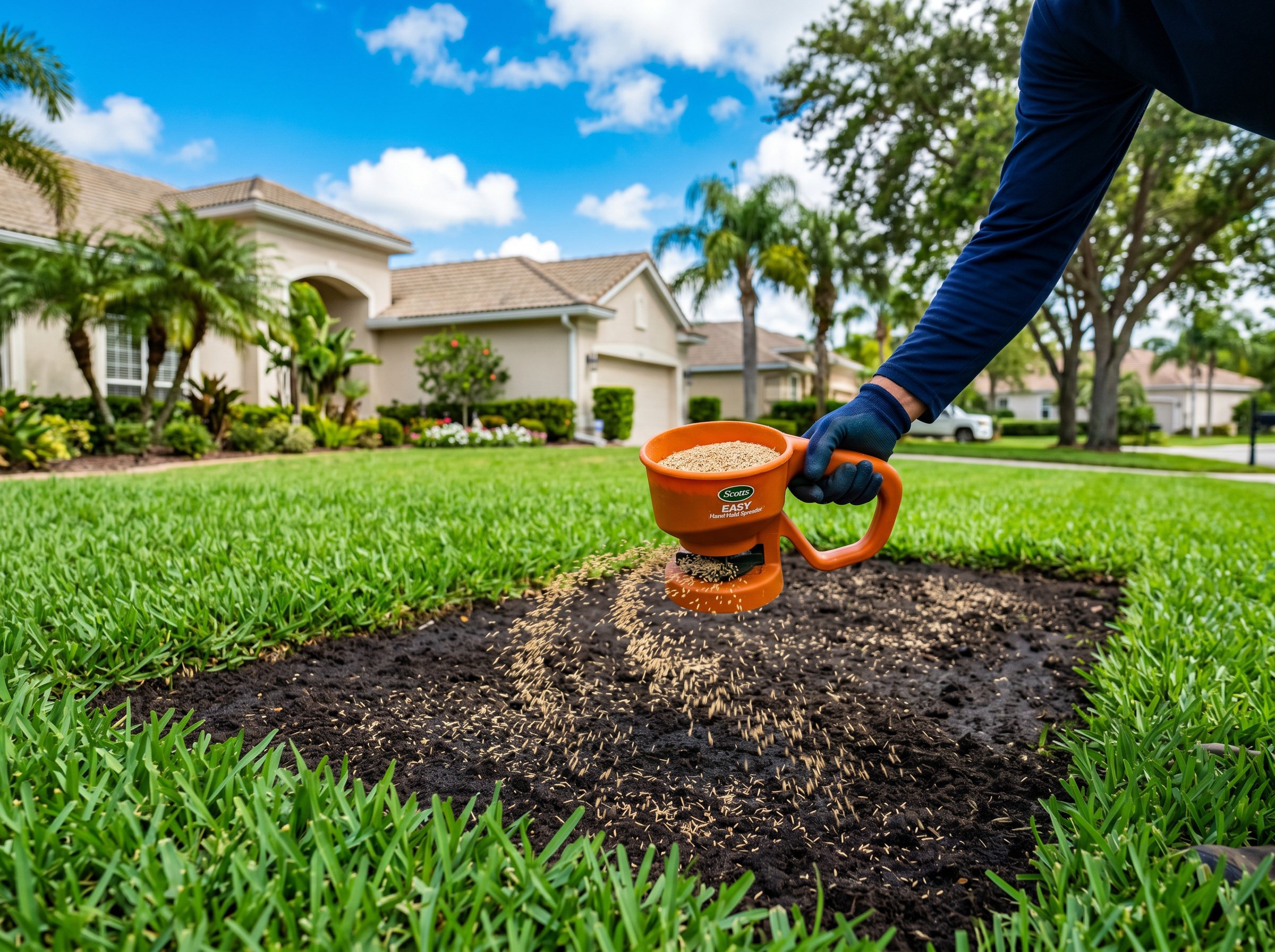
A phosphorus-rich starter fertilizer applied at seeding time promotes strong early root development in warm-season grasses[6]. Follow label rates carefully and avoid high-nitrogen formulas on new seedlings, which can burn fragile roots before they establish.
Watch for Local Pests at Planting Time
Timing your seeding also means staying aware of Orlando's most damaging lawn pests. Chinch bugs are especially destructive in St. Augustine lawns during warm months, but mole crickets and sod webworms can also damage newly seeded Bahiagrass before the turf has a chance to establish[1]. Inspect your lawn before and after seeding, and consult UF/IFAS guidelines before applying any pest treatments near new seedlings.
Water Consistently After Seeding
New seeds need the top inch of soil to stay consistently moist — not waterlogged — during germination[3]. In Orlando's heat, that may mean light watering two to three times daily until seedlings emerge, then gradually transitioning to a deeper, less frequent schedule as roots develop. Check local watering restrictions through Orlando Utilities Commission or your municipality, as irrigation rules vary by zone.
Conclusion: Your Orlando Lawn Seeding Action Plan
For Orlando homeowners ready to grow a healthy lawn from seed, here's your practical next step list:
- Target late April through June as your primary planting window — soil temps are right, frost risk is gone, and the rainy season is approaching
- Choose Bahiagrass if you want the most straightforward seed-grown option for Central Florida conditions
- Opt for sod or plugs if your goal is a St. Augustinegrass lawn — don't waste time looking for seed
- Get a soil test through UF/IFAS Extension Orange County before you plant to avoid preventable nutrient and pH problems[1]
- Apply a starter fertilizer at planting time to support early root development in Orlando's sandy soils[6]
- Monitor for chinch bugs and mole crickets in the weeks after planting, when your new turf is most vulnerable[1]
- Avoid seeding after October — with Orlando's first frost averaging January 12, new seedlings planted in fall rarely have enough time to establish before cold stress arrives[2]
Orlando's climate is genuinely one of the best in the country for growing warm-season turf — but only when you work with the local calendar, not against it. When in doubt, reach out to UF/IFAS Extension Orange County for free, research-backed guidance tailored to your specific neighborhood and soil type.