Quick Answer
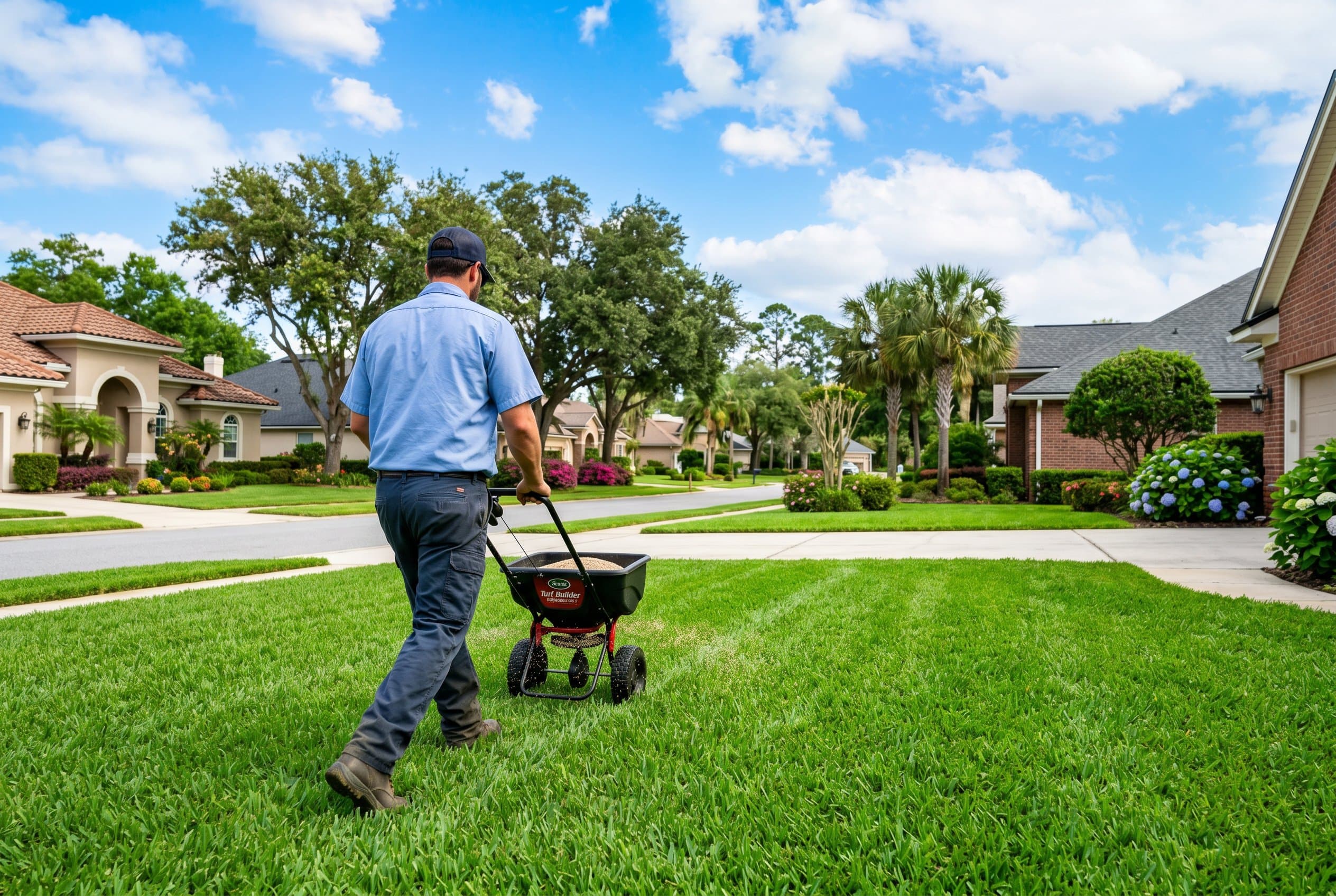
In Jacksonville, the best time to plant grass seed is late spring through early summer — typically late April through June — when soil temperatures consistently reach 65°F or warmer and the risk of frost has passed. Jacksonville's average last frost falls around February 22, so warm-season grasses have a long, reliable growing window ahead. For most Jacksonville homeowners, a late May planting hits the sweet spot of warm soils, incoming summer rains, and peak growing conditions.
Key Takeaways
- Plant warm-season grass seed in Jacksonville between late April and June for the strongest establishment
- Jacksonville's average last frost date (Feb 22) and first frost date (Dec 20) give warm-season grasses a long growing season of roughly 9–10 months
- St. Augustinegrass — Jacksonville's most popular lawn grass — is rarely grown from seed and is best installed as sod or plugs
- Bahiagrass is the top seeded option for Jacksonville homeowners looking for a low-maintenance, drought-tolerant lawn
- UF/IFAS Extension Duval County is the gold standard local resource for Jacksonville-specific lawn timing and variety guidance
Introduction: Why Timing Is Everything in Jacksonville
Jacksonville's subtropical climate sits in USDA Hardiness Zone 9a, which means long, hot summers, mild winters, and high humidity year-round[1]. That combination is a double-edged sword for lawn seeding. On one hand, warm-season grasses thrive here for most of the year. On the other hand, planting too early risks a late cold snap, while planting too late means your seedlings face brutal summer heat before they've had time to root deeply.
Jacksonville's sandy, low-organic soils — common in neighborhoods from Mandarin to Orange Park — drain quickly but don't hold moisture well, which can stress newly germinated seed[2]. Add in the city's average 53 inches of annual rainfall (most of it falling June through September) and you have a narrow window where soil temperature, moisture, and day length align perfectly for seeding success.
Understanding that window — and knowing which grasses actually grow from seed in Jacksonville — is the foundation of a healthy lawn.
When Should I Plant Grass Seed in Jacksonville?
The Best Planting Window: Late April Through June
For Jacksonville homeowners, the target seeding window is late April through June. By late April, soil temperatures at the 4-inch depth typically reach the 65–70°F threshold that warm-season grasses need for reliable germination[3]. By late June, you're still early enough in the rainy season that natural rainfall will support seedling establishment without constant irrigation.
Avoiding the peak of summer (July–August) is important. While soil temperatures are certainly warm enough, the intensity of Jacksonville's afternoon thunderstorms can wash away freshly planted seed, and heat stress on immature seedlings increases significantly.
Fall Seeding: Proceed With Caution
Some homeowners consider fall seeding after Jacksonville's summer heat breaks, but this is generally not recommended for warm-season grasses. With Jacksonville's first average frost arriving around December 20, a fall seeding in September or October gives grass only 10–12 weeks to establish before cold slows growth[1]. Weak root systems heading into winter often don't survive. Stick to the spring-to-early-summer window for the best results.
What Grass Seed Should Jacksonville Homeowners Actually Plant?
This is where Jacksonville lawn care gets specific — and where many homeowners are surprised to learn that the most popular grass in the city can't be seeded at all.
St. Augustinegrass: No Seed Available
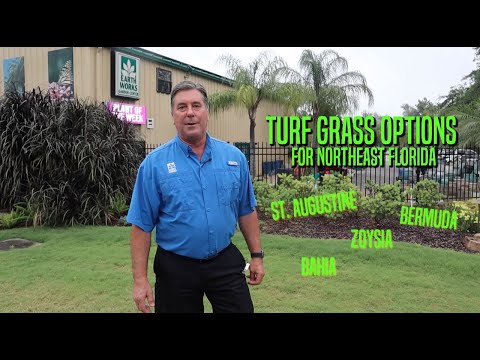
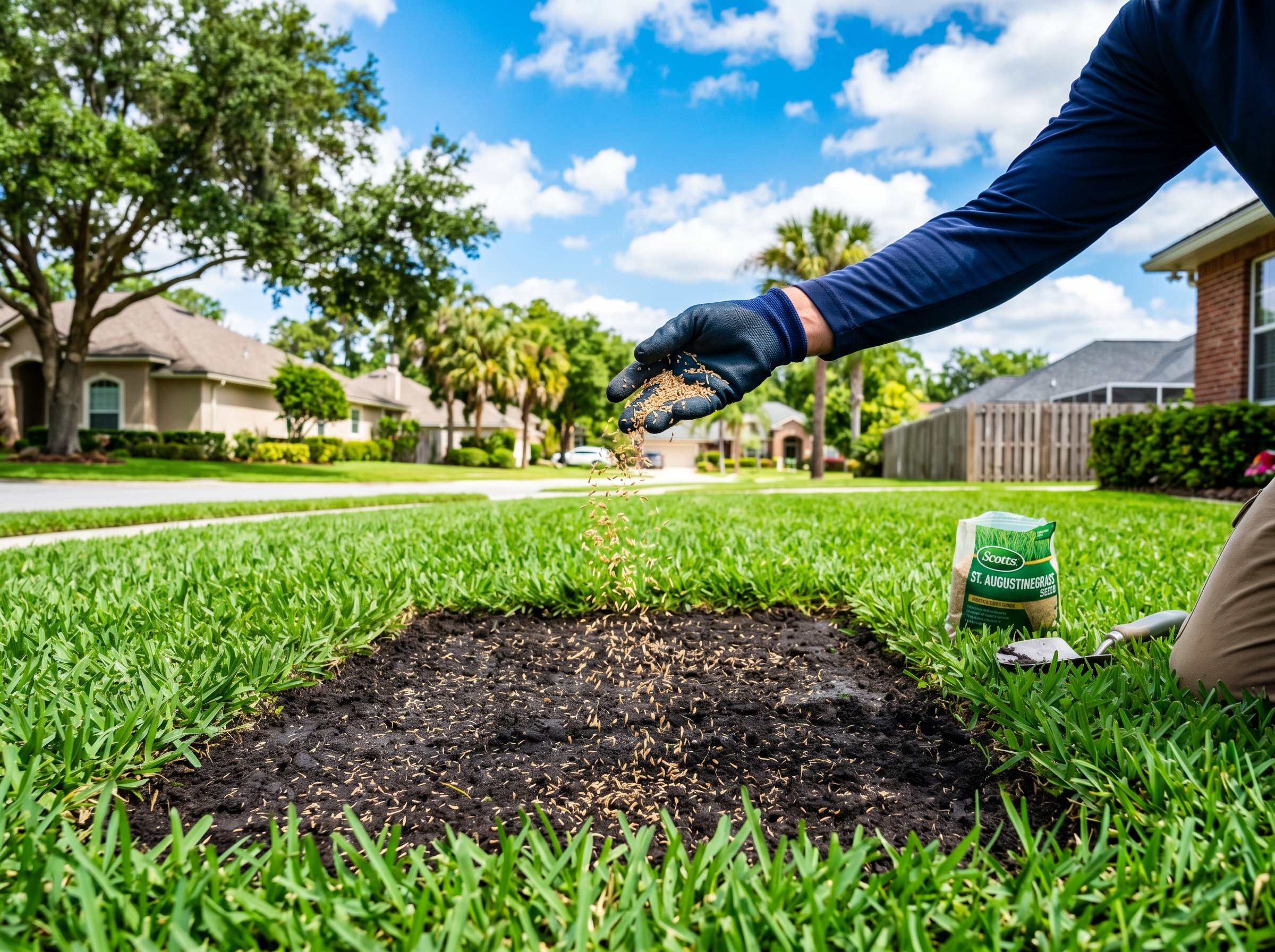
St. Augustinegrass dominates lawns across Jacksonville, from San Marco to Riverside and Jacksonville Beach. It thrives in the city's heat and humidity and handles the sandy soils well. However, St. Augustinegrass does not produce viable seed commercially and must be installed as sod, plugs, or sprigs[1]. If you're patching or establishing a St. Augustine lawn, budgeting for sod is the only real path forward.
Bahiagrass: Jacksonville's Best Seeded Grass
For homeowners who want a true seed-grown lawn, Bahiagrass (Paspalum notatum) is the top recommendation in Jacksonville. It's drought-tolerant, handles the city's sandy soils exceptionally well, and is widely available as seed[4]. Pensacola Bahiagrass is the most commonly planted variety in North Florida and performs reliably across Duval County. Apply seed at a rate of 5–10 lbs per 1,000 sq ft during the late April–June window.
Zoysiagrass and Centipedegrass
Zoysiagrass is available in seed form (though slow to establish) and does well in Jacksonville's climate with good wear tolerance — a plus for families in active neighborhoods like Orange Park[2]. Centipedegrass seed is also an option for low-maintenance homeowners, though it's more sensitive to Jacksonville's alkaline soil patches and requires a soil test before planting[5].
Seeding Rate and Soil Prep at a Glance
- Bahiagrass: 5–10 lbs of seed per 1,000 sq ft; scarified seed improves germination rates
- Zoysiagrass: 1–2 lbs per 1,000 sq ft; expect slow establishment over one full growing season
- Centipedegrass: 0.25–0.5 lbs per 1,000 sq ft; requires soil pH of 5.0–6.0
- Soil prep for all: Till to 3–4 inches, remove debris, lightly rake before seeding
- Post-seeding irrigation: Water lightly 2–3 times daily until germination, then taper off
How Do Jacksonville's Soil and Pests Affect Seeding Success?
Sandy Soils and Organic Matter
Most of Jacksonville sits on sandy, low-nutrient soils with poor water retention[2]. Before seeding, a basic soil test through UF/IFAS Extension Duval County can identify nutrient deficiencies and pH imbalances that would undermine germination[1]. Incorporating a thin layer of compost before seeding improves moisture retention without compromising the drainage that Jacksonville's frequent summer rains require.
Watch for These Local Pests
New seedlings are especially vulnerable to Jacksonville's most common lawn pests. Mole crickets are notorious for tunneling through newly seeded areas, uprooting germinating seed and disrupting soil contact[6]. Apply a soil-active insecticide labeled for mole crickets before seeding if the pest has been a problem in your lawn previously. Chinch bugs become a serious threat once St. Augustinegrass establishes, particularly during hot, dry spells in neighborhoods with heavy thatch buildup. Fire ants can establish mounds in disturbed soil — keep an eye out during the seeding and establishment period.
Irrigation in Jacksonville's Rainy Season
Jacksonville's summer rainy season (June–September) typically delivers enough natural rainfall to support seed germination with minimal supplemental irrigation[3]. However, during dry spells in late April and May — right in the prime seeding window — you may need to irrigate newly seeded areas 2–3 times daily to keep the seed bed moist. Once seedlings reach 1 inch in height, reduce frequency and water more deeply to encourage deep root development.
Conclusion: Your Next Steps as a Jacksonville Homeowner
For Jacksonville homeowners, the path to a thriving lawn starts with three decisions: choosing the right grass for your situation, timing your planting between late April and June, and preparing your soil before the first seed goes down.
If you're establishing or overseeding with Bahiagrass, mark your calendar for late May — soil temperatures are reliably warm, the rainy season is just beginning, and you'll have the entire summer ahead to support establishment. If St. Augustinegrass is your goal, call a local sod supplier now rather than searching for seed that doesn't exist commercially.
Before you buy anything, run a soil test. UF/IFAS Extension Duval County offers soil testing resources and local guidance specific to Northeast Florida's soils and growing conditions[1]. Their recommendations are calibrated to Jacksonville's actual climate — not a generic Southeast Florida template.
With Zone 9a's long growing season on your side and the right timing in place, a healthy Jacksonville lawn is absolutely within reach.