Quick Answer
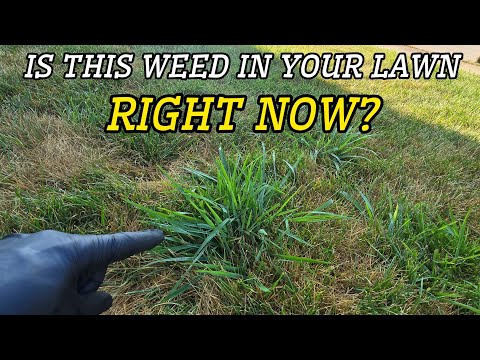
Dallas grass, goose grass, and Johnson grass are commonly mistaken for crabgrass but have distinct characteristics. Dallas grass has large circular seed heads and grows in clumps, while true crabgrass has much smaller, finger-like seed heads.
Key Takeaways
- Dallas grass grows in tall clumps with large, circular seed heads and hairy stems
- Goose grass features a distinctive lime-green center and herringbone-shaped seed heads
- Johnson grass has thick stems with white lines down leaf blades and can grow 6-8 feet tall
- True crabgrass has much smaller, finger-like seed heads compared to these imposters
- Regular big-box store crabgrass treatments won't work on these grass-like weeds
The Great Crabgrass Mix-Up: Why Identification Matters
Walk through any neighborhood in summer, and you'll find frustrated homeowners battling what they believe is crabgrass. They've spent money on pre-emergent herbicides and post-emergent treatments, yet these stubborn weeds keep thriving. Here's the problem: what most people think is crabgrass usually isn't crabgrass at all.
Misidentifying lawn weeds leads to ineffective treatments and wasted money. The three most commonly confused grass-like weeds are Dallas grass, goose grass, and Johnson grass – each requiring different management strategies than traditional crabgrass control.
Dallas Grass: The Clumping Imposter
Dallas grass is perhaps the most frequently misidentified weed in home lawns. This perennial grass creates distinctive patterns that make identification straightforward once you know what to look for.
Key identifying features:
- Growth pattern: Forms obvious clumps throughout the lawn, growing taller than surrounding grass
- Seed heads: Large, circular seed heads that are significantly bigger than crabgrass
- Texture: Noticeably hairy stems and leaves when examined closely
- Location: Often found in the middle of lawns, not just edges
The location of Dallas grass in your lawn tells a story. Unlike dandelion seeds that blow in the wind, Dallas grass seeds are heavy and don't travel far naturally. If you find Dallas grass scattered throughout your lawn's interior, it likely arrived via lawn mower. The seeds stick to mower decks and get deposited as equipment moves from yard to yard.
Goose Grass: The Lime-Green Deceiver
Goose grass presents another common case of mistaken identity. While it shares some characteristics with crabgrass, several distinct features set it apart.
Distinctive characteristics:
- Center coloring: Bright lime-green or whitish center where leaf blades meet
- Seed structure: Herringbone-shaped seed heads that are larger than crabgrass
- Stem thickness: Noticeably thick stems compared to true crabgrass
- Growth habit: Forms bunches but typically stays closer to ground level
The lime-green center is the most reliable identifier for goose grass. This coloration remains consistent even as the plant matures, making it easy to spot from a distance.
Johnson Grass: The Giant Among Weeds
Johnson grass represents the most dramatic case of mistaken identity. This aggressive perennial can transform from a small lawn nuisance into a towering weed reaching 6-8 feet in height.
Identifying features:
- Leaf markings: Distinctive white line running down the center of each blade
- Stem characteristics: Very thick, robust stems without the hairiness of Dallas grass
- Seed arrangement: Single central stem with multiple seed branches extending outward
- Growth potential: Can grow extremely tall if left unchecked
You've likely seen Johnson grass along highways and roadsides, where it forms tall, dense stands. In home lawns, catching it early prevents it from reaching these dramatic heights.
True Crabgrass: Setting the Record Straight
Real crabgrass differs significantly from these imposters. True crabgrass produces small, finger-like seed heads that spread in a distinctive pattern resembling a hand. The seeds are notably smaller than those of Dallas grass, goose grass, or Johnson grass.
Crabgrass typically grows low and spreads outward rather than forming the upright clumps characteristic of its look-alikes. Understanding these differences prevents the frustration of applying crabgrass treatments to weeds that won't respond to them.
Treatment Approaches: Why Generic Solutions Fail
Standard crabgrass preventers and treatments from big-box stores won't effectively control Dallas grass, goose grass, or Johnson grass. These weeds require different herbicide active ingredients and application strategies.
Professional-grade herbicides designed for grassy weeds offer better results, but proper identification remains crucial for selecting the right product. Some treatments work better on cool-season lawns versus warm-season grasses, and timing applications correctly improves success rates.
Safety reminder: Regardless of which herbicides you choose, always wear proper protective equipment including closed-toe shoes, long pants, long sleeves, gloves, and eye protection when applying any chemical treatments.